Small Spaces
Make a Compact Guest Room Easy to Arrive In
Plan a small guest room for an actual stay, including luggage, sleep, privacy and the furniture that has to work on ordinary days.
Let yourself into the smallest bedroom with a weekend bag, a coat and a phone running out of charge. Put the bag down somewhere useful. Find a light you can use after the overhead switch goes off. Set a glass down without moving a row of ornaments. The things that are difficult in those first two minutes give you a good list for making a small guest room kind to its visitors.
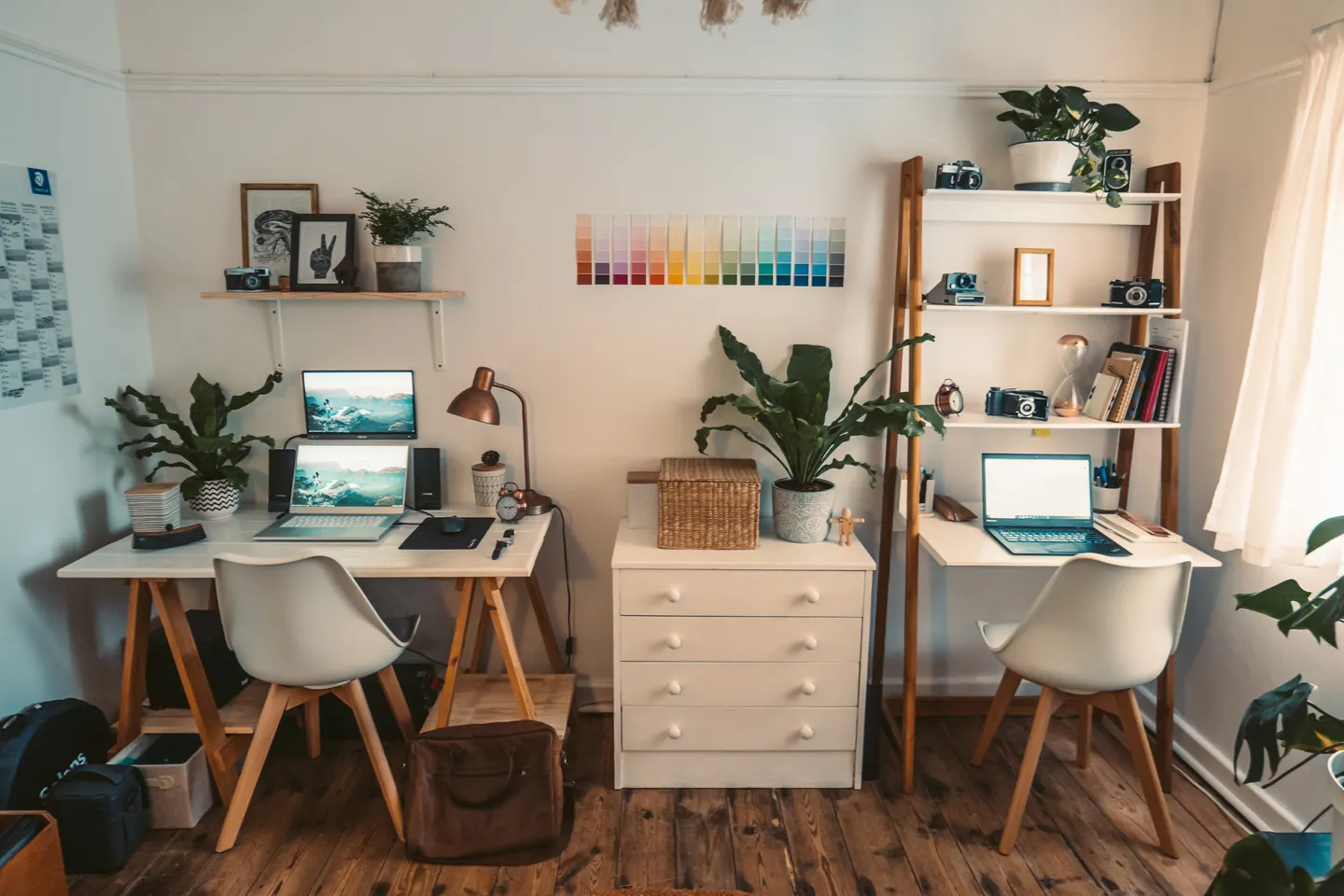
A room that sleeps people infrequently may also serve as an office, sewing room or reading corner. Both versions have to exist within the same outline. Before buying any furniture, decide how often the room changes modes, who changes it and where the relocated objects will live. Put everything on the drawing, including the folding chair that has to move whenever the bed opens.
Draw a visitor’s first evening
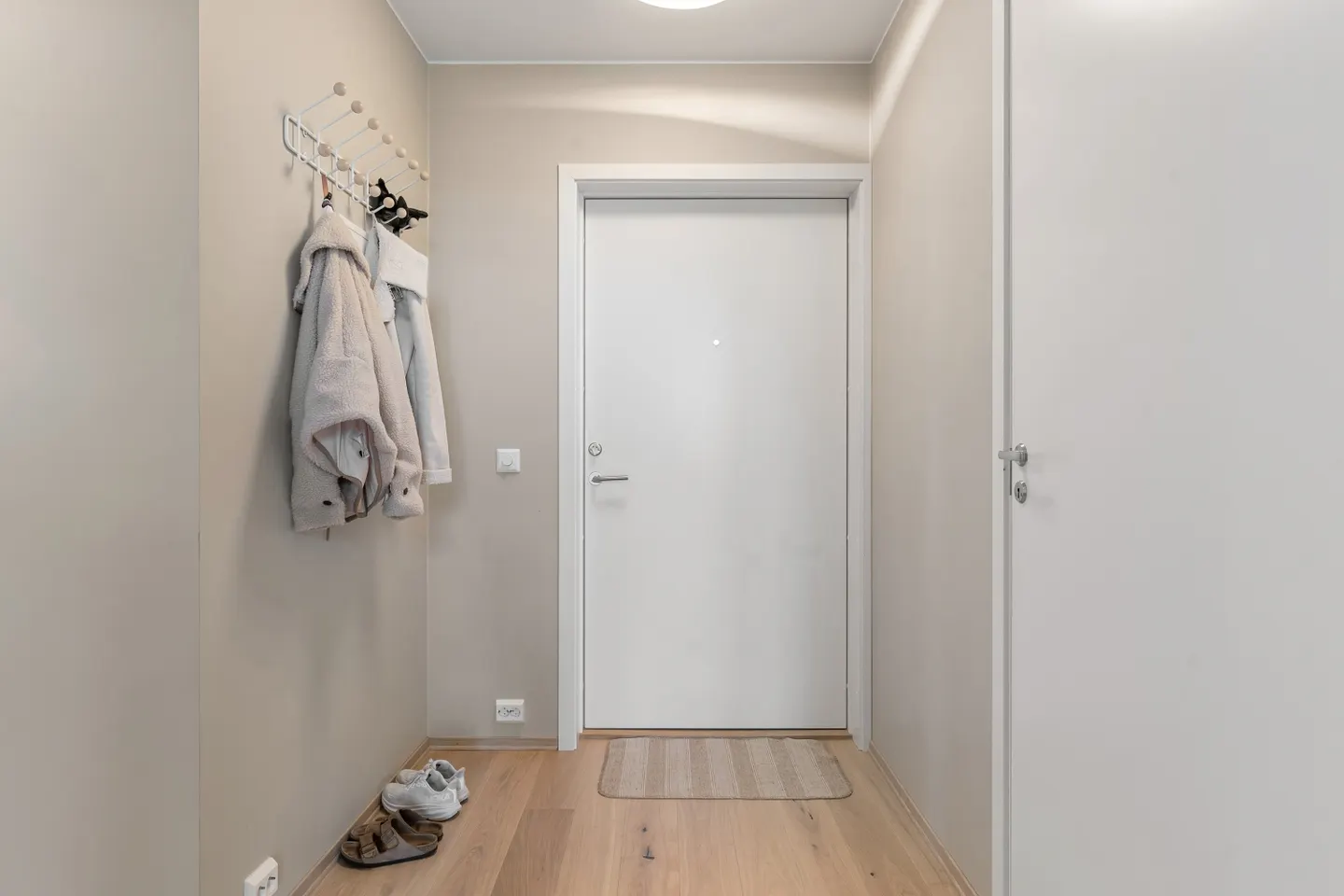
Identify where visitors will walk after coming through the door. Choose something obvious and reachable for luggage, whether it is a low bench, an open shelf or a luggage rack. Try the plan with a real case opened flat. A large bag can dominate a room when its two halves are spread out. A rack that lets the lid lean upright may preserve more floor than a broad empty top. Check whether an overnight bag needs space below a hanging coat.
After the bag has a home, follow the route to the bed. Find somewhere to sit while taking shoes off. See whether a chair can move close enough to the wall to leave a route to the window. In a room with a shallow alcove, the case can sometimes go at the foot end of the bed. That makes the larger part of a side wall available for an entrance route. Rooms with a door near one corner may instead work better with the headboard facing away from it.
Make a list of the items used before sleep. A spare socket for a charger, somewhere to put glasses, water within reach and a light controlled from the bed are ordinary necessities. A wall shelf can hold some of them if a standard bedside cabinet is too wide. Account for attaching it appropriately and for how a person turns in bed. A proud corner near pillow height creates a different kind of inconvenience. Good placement is more important than matching tables on both sides.
Choose the bed by the number of nights it has a job
If the main use is sleeping and visits are longer, a simple permanent bed keeps preparation easy. If guests come one or two weekends a year, a daybed or foldout arrangement may give you more room for the greater part of the year. Try the opened dimensions and the closed dimensions with the pieces you intend to keep. A room with a deep cupboard can hide bedding. One without storage needs that volume on the plan too.
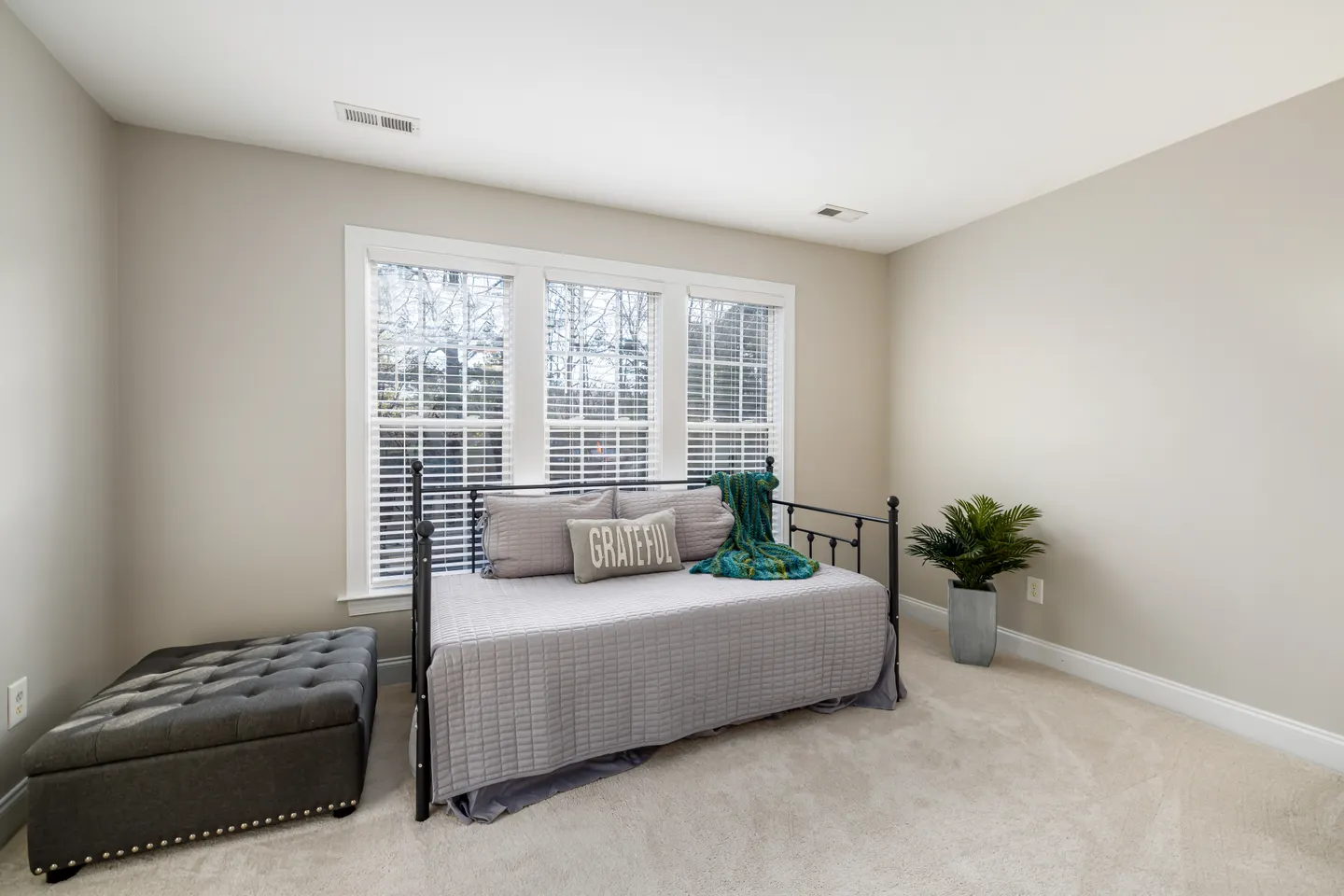
A daybed is often wide enough to sit on only once a good back cushion comes forward. Check the depth of the sleeping surface and the effect of the frame on access at each side. A guest who is accustomed to getting in at one side may find a wall-backed bed less convenient. In a room used for reading during the week, test the upright posture, including where feet and arms land. A handsome padded bolster might still leave a regular sitter without comfortable back support.
A sofa bed adds a second shape and may add considerable weight. Have the seller demonstrate its opening mechanism and show what happens to the loose cushions. Establish whether the ordinary owner can set it up independently. Measure the mattress and check how easy it is to fit sheets. For a wall bed, investigate the installation requirements with the supplier and building owner, and allow the necessary clear space and suitable fixing. Bring the fully opened plan into the decision before any cabinet is ordered.
Make the window useful to two different people
Try waking with the curtains arranged as they would be for someone sleeping there. Look for where a street lamp or early sun reaches the bed. Fabrics that appear dark in a store may let light through past the edges or the top. An internal blind plus curtains can provide options for light and privacy when the window faces a neighboring building. Confirm safe operation and follow the applicable installation instructions, especially if children may use the room.
The window can be the best place in the room for a work surface but it still needs to open where that is required. Draw the handle, curtains and any projecting sash. If a radiator is beside the window, keep clearances and access in the plan. A heavy chair in that particular corner might ask a visitor to move something each morning just to adjust the room. A modest, easy-to-move chair may be a better match.
Light for guests can be organized in two simple parts. One fixture illuminates enough of the room to unpack. Another gives a softer path to bed or to the doorway. Find their controls from the actual approach and from the pillow. Avoid putting a switch behind a cabinet. In houses with bright corridors, a lamp shade that directs light down onto the near side of the bed may make it easier for two people to keep different hours.
Do the room changeover at normal speed
Imagine an overnight visitor who calls on the way. Start with the room in a state that resembles an ordinary working day. Time only how long it takes to get the bed ready and away from the things that are in use. Notice where the printer, work papers or sewing gear need to go and if any outlet becomes inaccessible. A half hour spent making three difficult furniture moves tells you the dual-use plan needs a second look.
Sometimes a smaller change fixes the room. One lidded bin can hold the objects that usually occupy the desk. A compact lamp with a sturdy base can switch jobs between work and reading. A desk that fits at the foot of a permanent single bed gives both purposes an address, avoiding the need to move an extra table. A narrow open shelf near the entry can stand in for a low dresser if visitors need space for small things and two items on hangers.
Set aside space for personal work materials if the office has to stay identifiable as an office. A drawer or locked storage may be appropriate for confidential papers. Think about household electronics that generate light or make noise when left on. Check which pieces can be switched off before a visitor comes and what can stay plugged in without making a distracting light all night. A clock that can be read in a workday may illuminate the entire bed in the dark.
Try two sample floor plans
In a room just wide enough for a double bed and one useful aisle, the cleanest result may be to put the bed slightly off center. Use a mounted or slim light near the narrower side and put the luggage beside the door. Open the closet from the generous side of the bed. Try making the bed in the arrangement before selecting it. If the person sleeping at the wall must climb over a partner, decide whether that is acceptable for likely visits. A narrower bed with comfortable access may serve more guests over time.
In a square room used for daily work, a sleep surface may open out from a wall that looks toward the desk. Leave the spare chair to one side and keep a reachable position for luggage even when the bed is fully open. Use a tabletop that can clear after work or bring the everyday work chair out of the room. Show guests where they can put their things by leaving a visible bit of empty space with a hook, spare hanger or tray.
In either floor plan, use two different kinds of temporary markings. Put a tape line on the floor for movement and stand a cardboard silhouette where the biggest upright item will go. Look from the doorway at the combined arrangement. Seeing the mass above floor level is particularly useful if guests will spend part of the day sitting in the room.
Leave a few decisions to the visitor
Provide a light blanket and one alternative covering according to the weather. Put extras where guests can find them without exploring the whole house. A thoughtful folding arrangement lets them unpack only what they need. Share simple information about the bathroom and window, and leave the important path clear at night. If a spare chair usually becomes a sorting pile, move it out for a night and see how the extra space feels.
After the first visit, ask what was difficult to find or do. Respond to one detail while it is fresh. Perhaps the door swings against the bag, the lamp cannot reach an outlet or the table is too shallow for a glass. The observation gives you a better reason to buy or move something than a picture of an immaculate tiny room. When the small room works, the visitor can close its door, set their things down and find everything they need by themselves.