Renovation

Room plans, practical materials and the decisions that make a renovation worth doing.
Renovation
A practical reading of NKBA’s October 2026 report, with ways to plan kitchen zones, quiet storage and ventilation for the home you have.
Read the guide
Renovation
Furniture
Furniture
Small Spaces
Small Spaces
Materials

Materials

Decorating
Decorating
Renovation
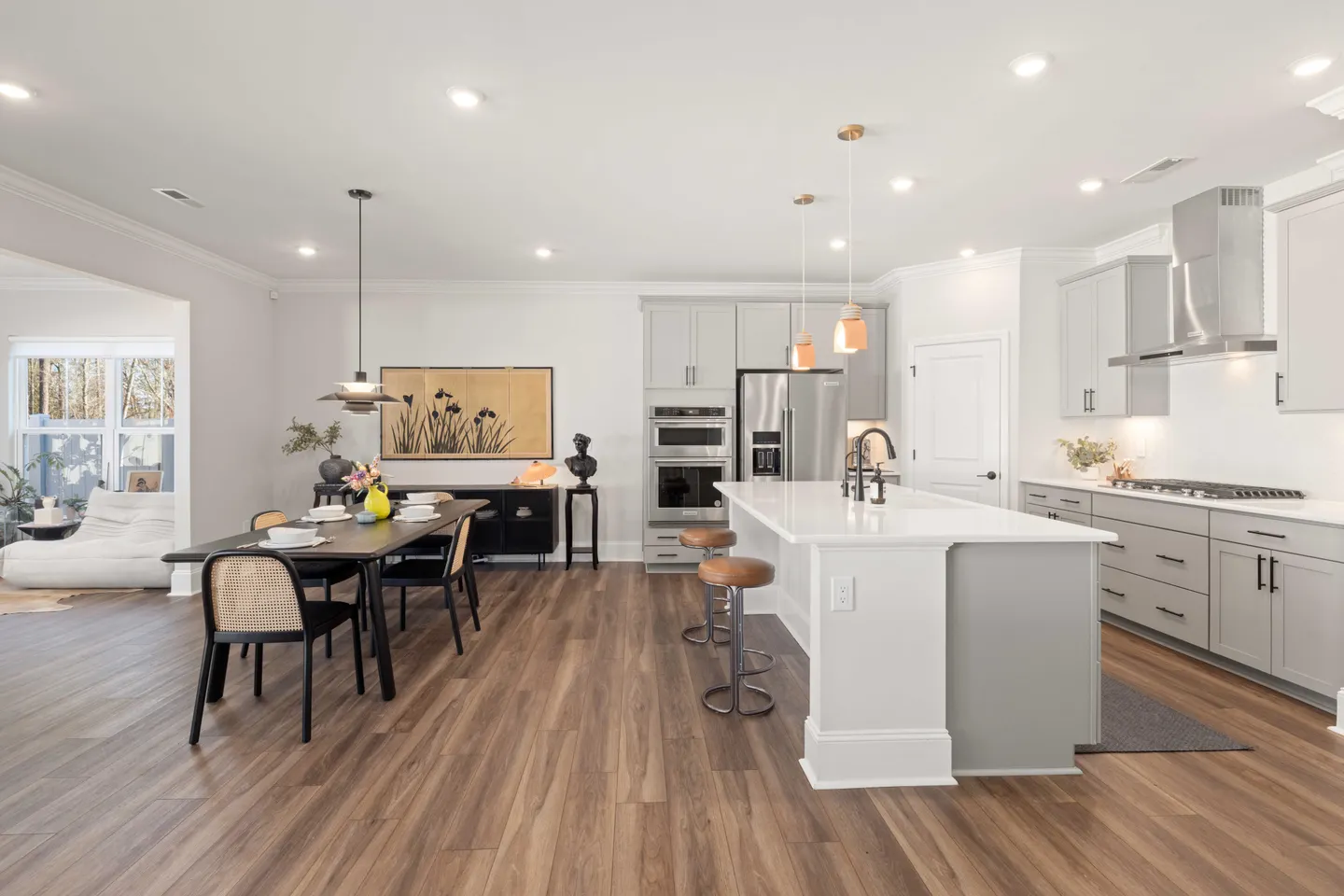
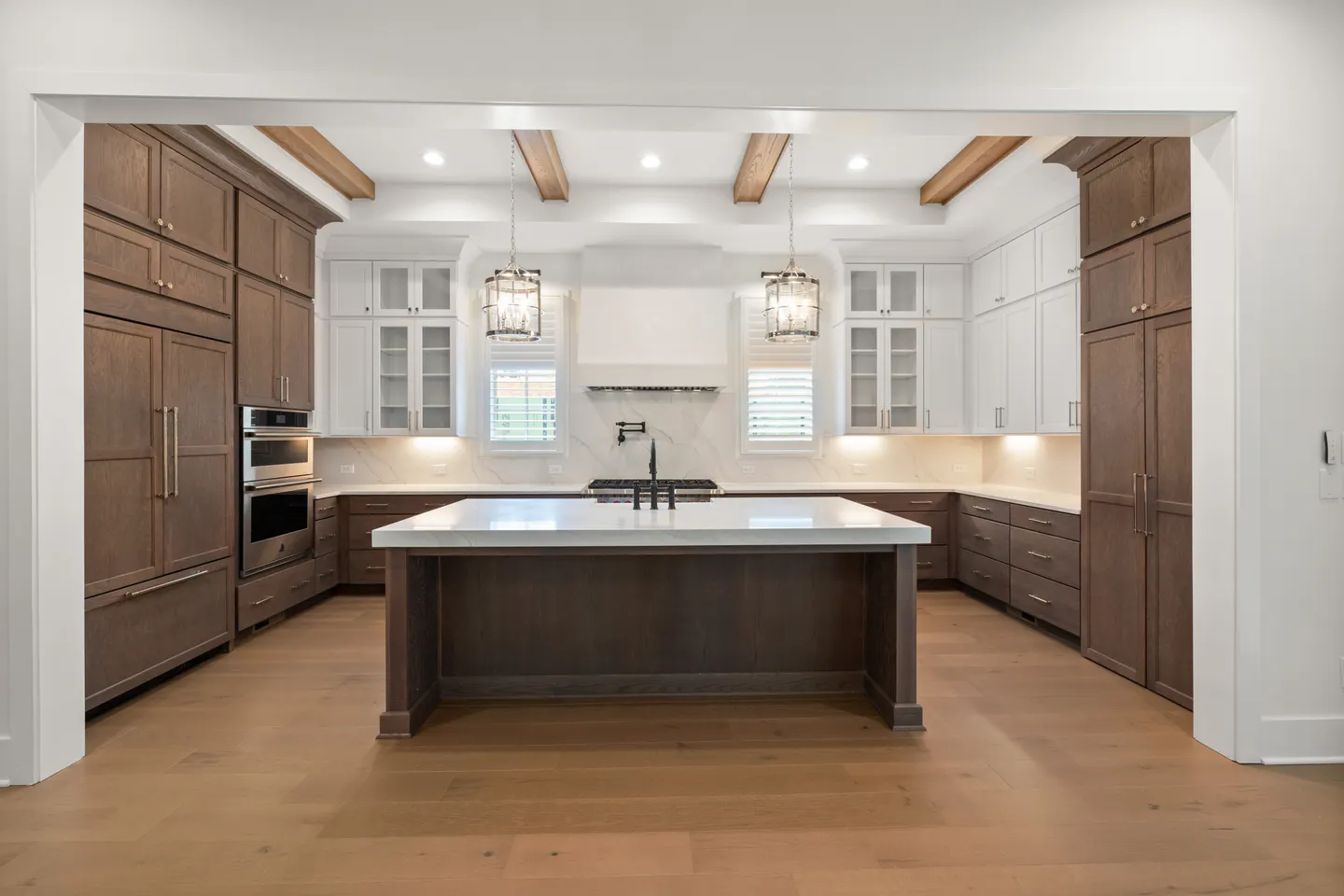
Map work aisles, appliance swings, and occupied stools before deciding how large your kitchen island can be.
Renovation
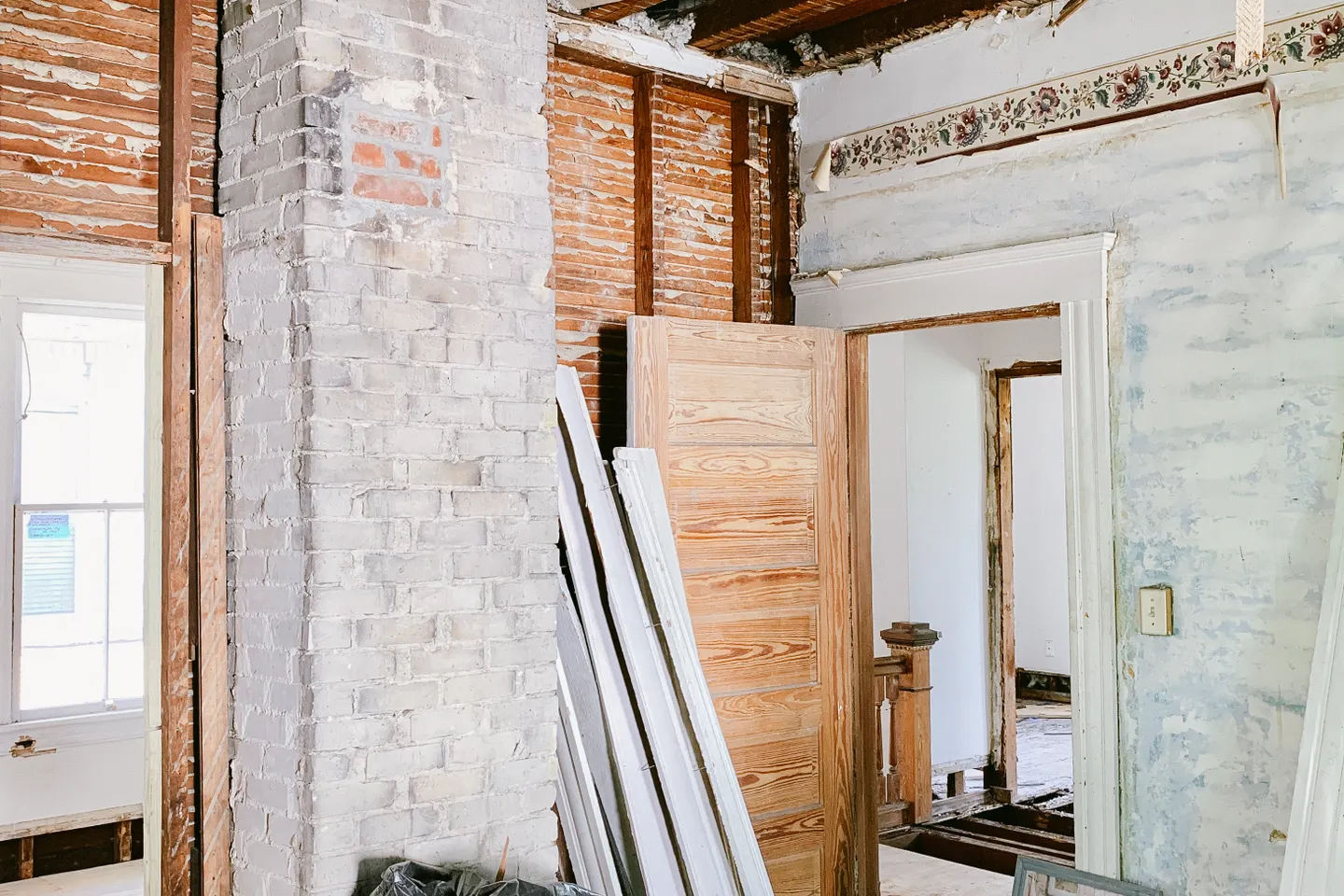
Divide renovation work into usable stages by mapping shared systems, temporary services, and the finishing decisions that carry into later phases.
Renovation
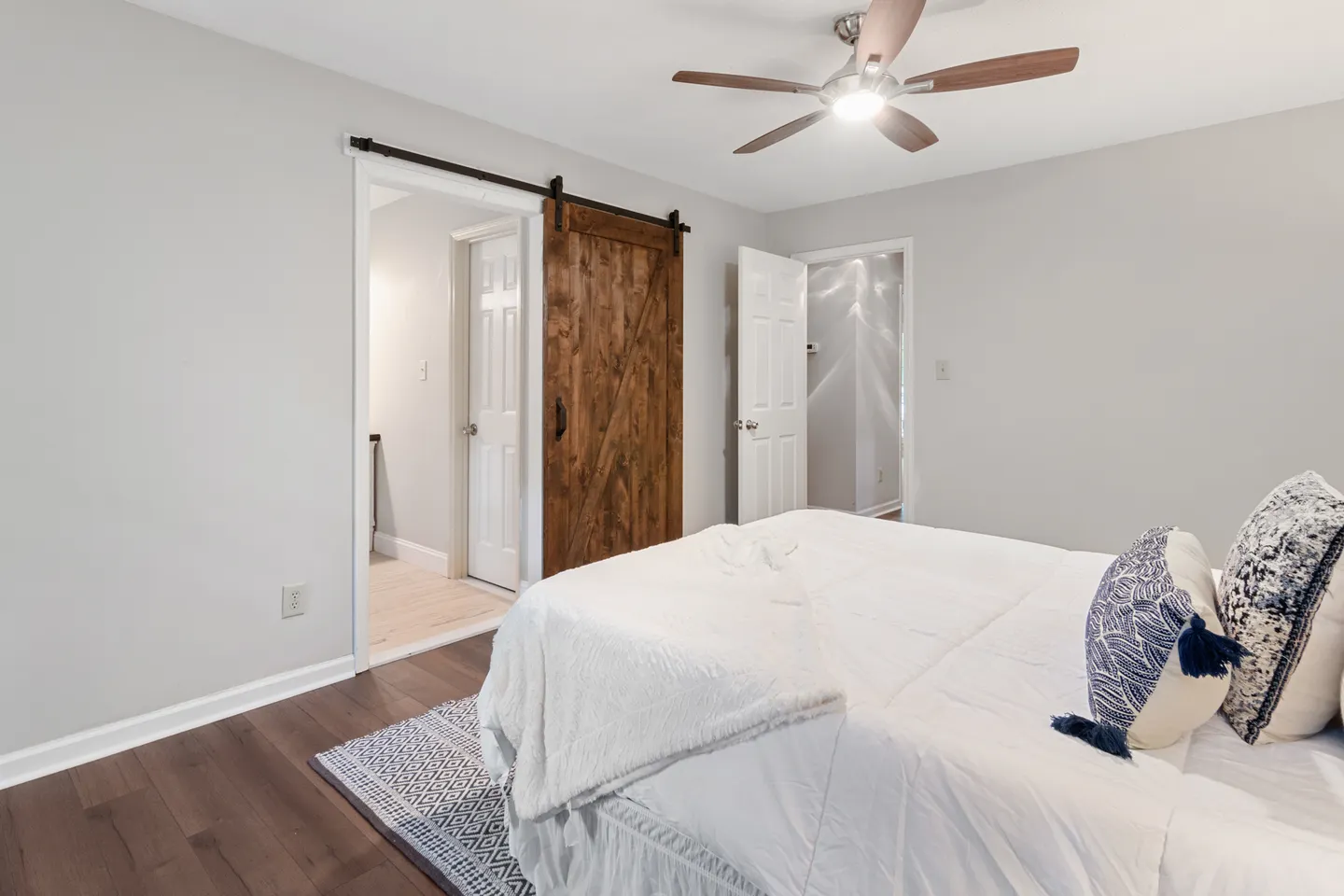
Compare door clearance, privacy, hardware access and wall constraints before choosing between a pocket door and a hinged door.
Furniture
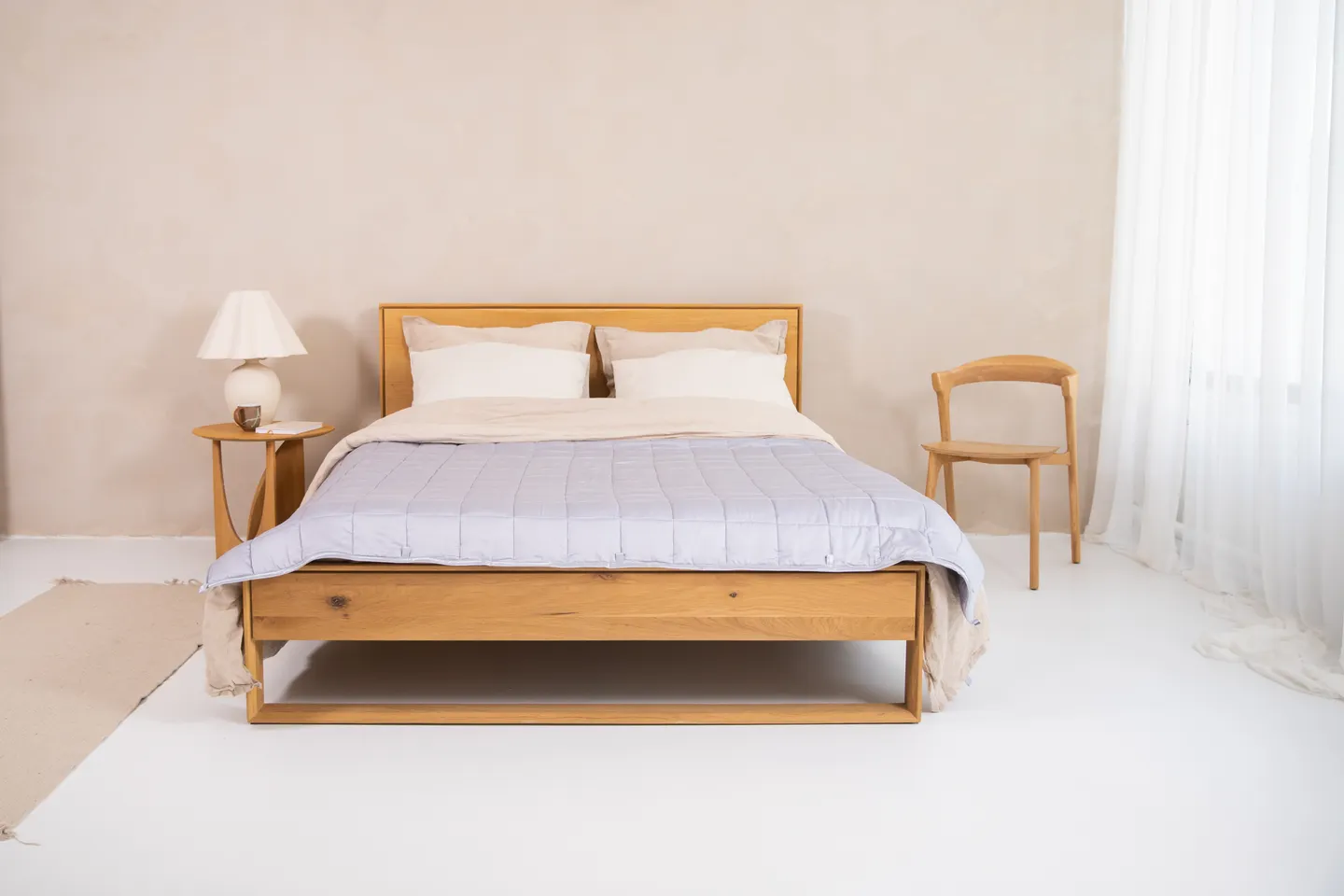
Check mattress support, overall sleeping height, clearance, noise and delivery before choosing a platform bed with a low frame or built-in storage.

Furniture
Evaluate seat proportions, elbow support, reading light and the space around a chair using the books you actually read.
Furniture
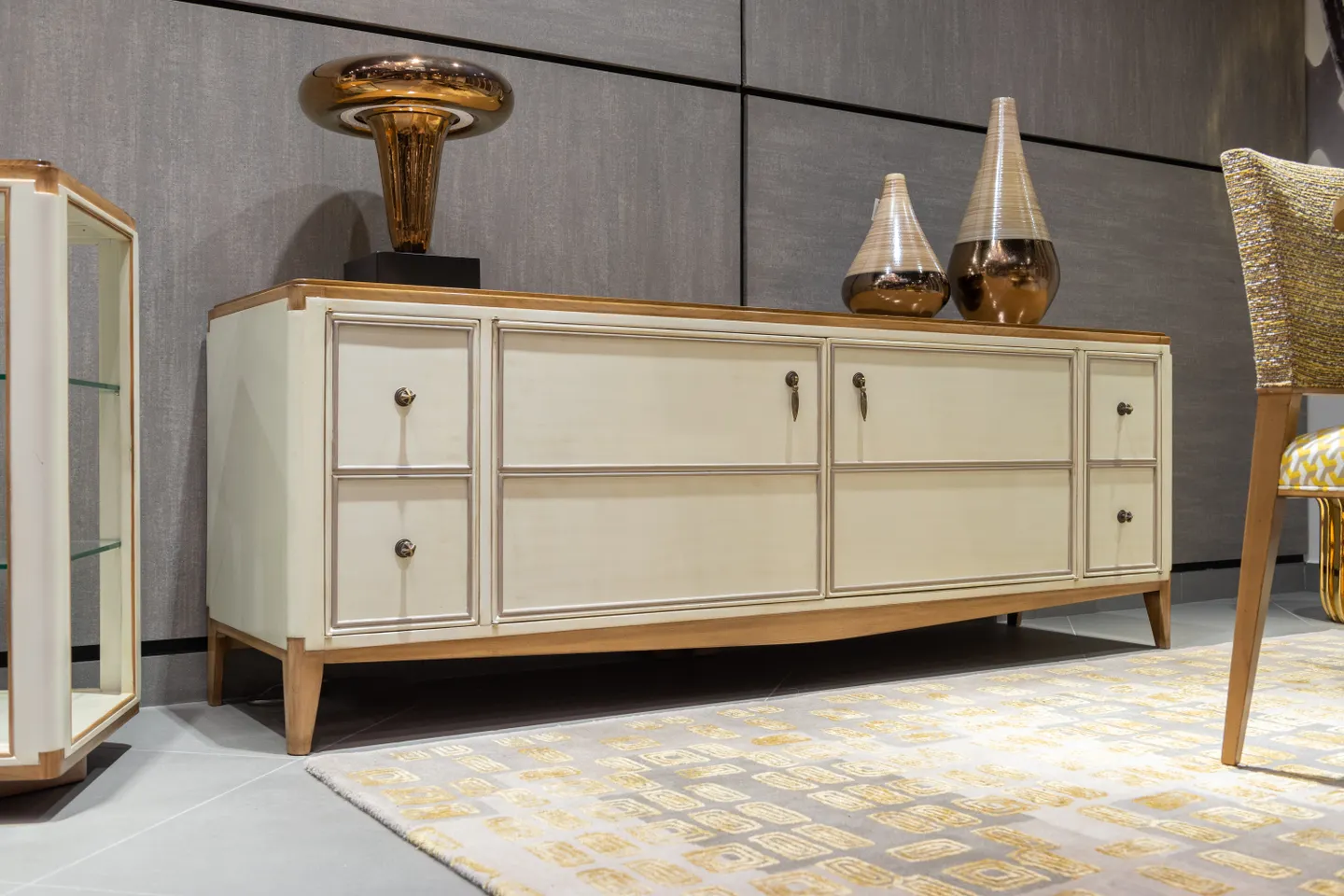
Choose a freestanding sideboard by inventorying its contents, comparing door and drawer access and measuring its working room as well as its footprint.
Small Spaces
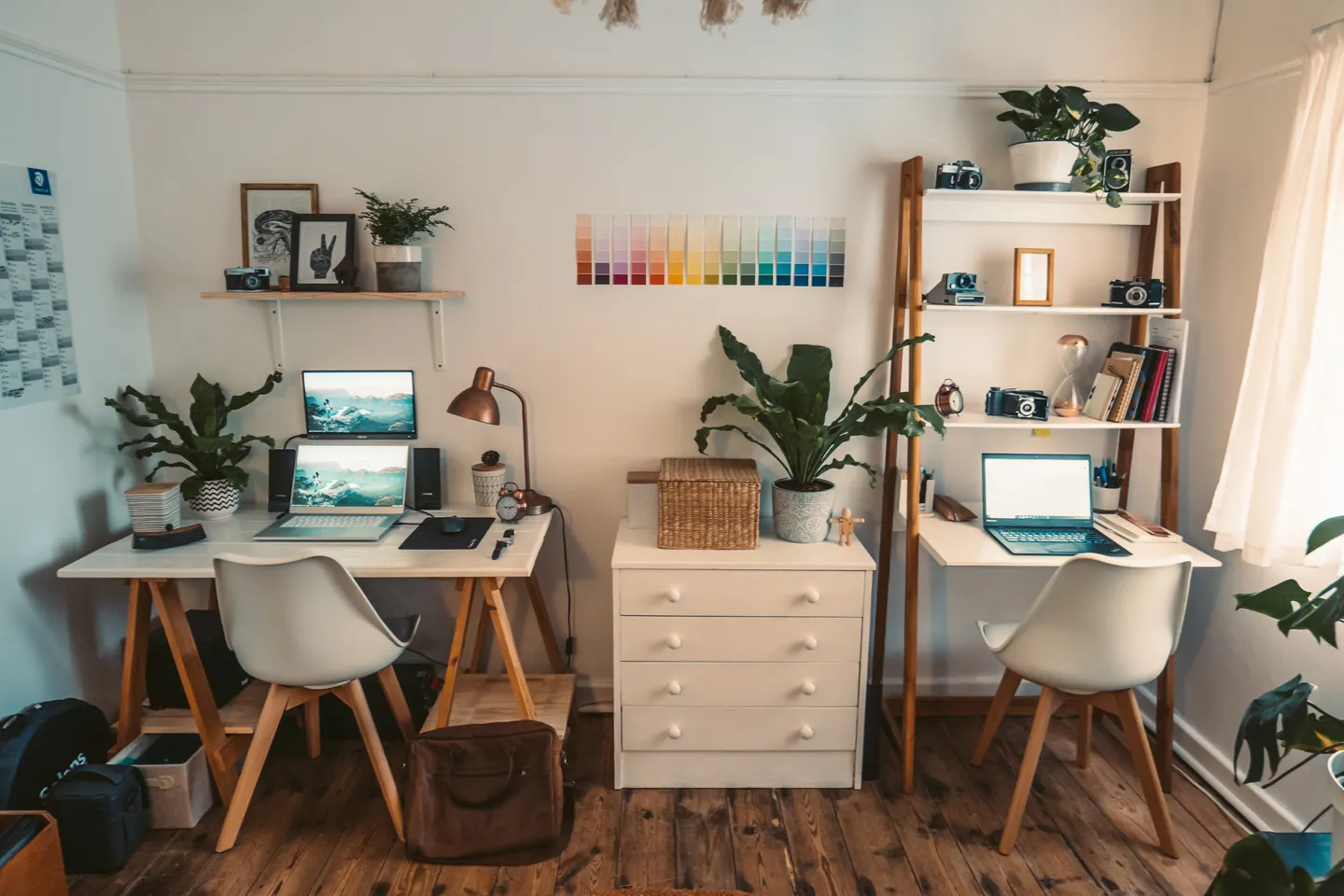
Compare two-desk arrangements for real calendars, video calls and glare, and create separate working zones even when both people share one room.
Small Spaces
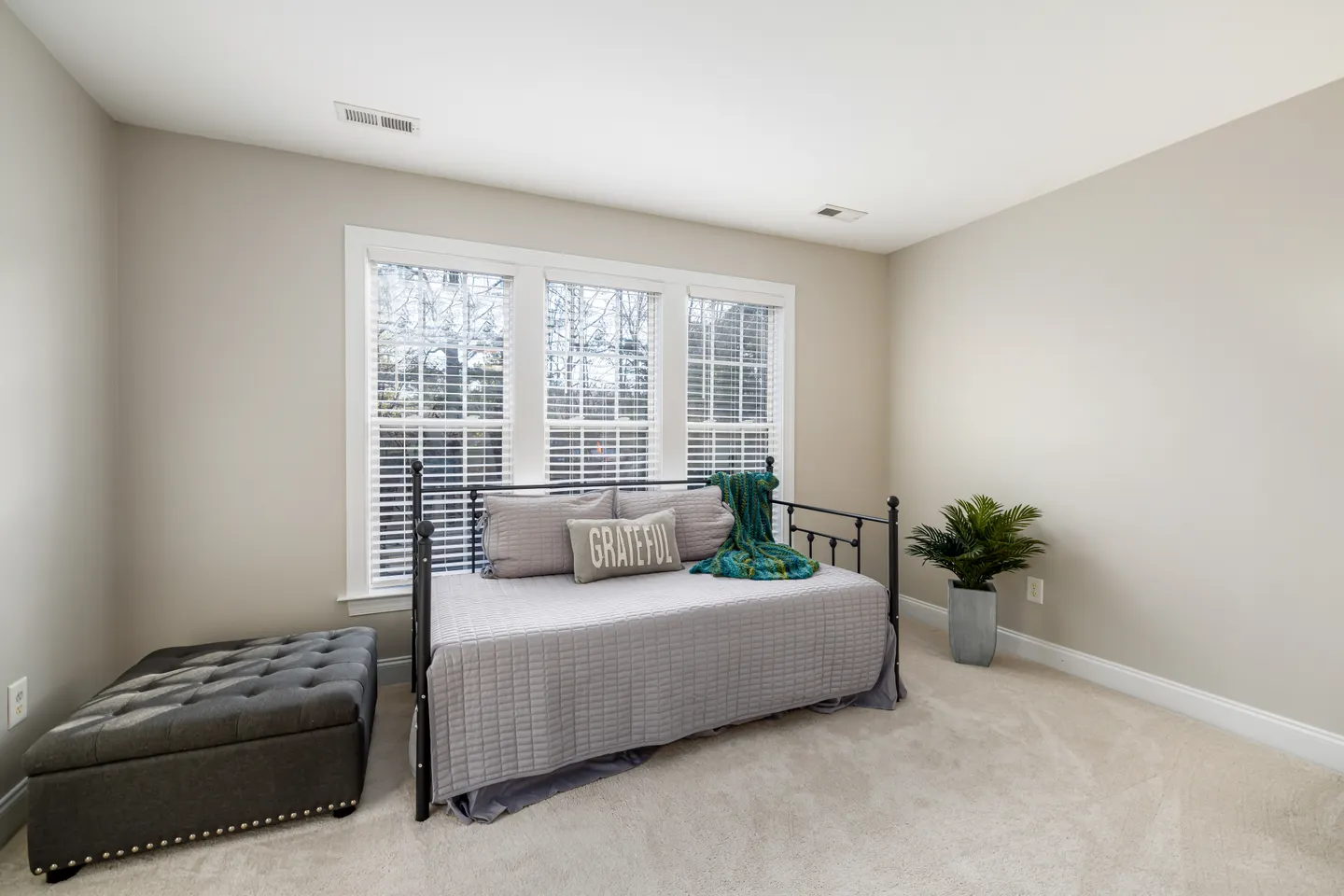
Plan a small guest room for an actual stay, including luggage, sleep, privacy and the furniture that has to work on ordinary days.
Small Spaces
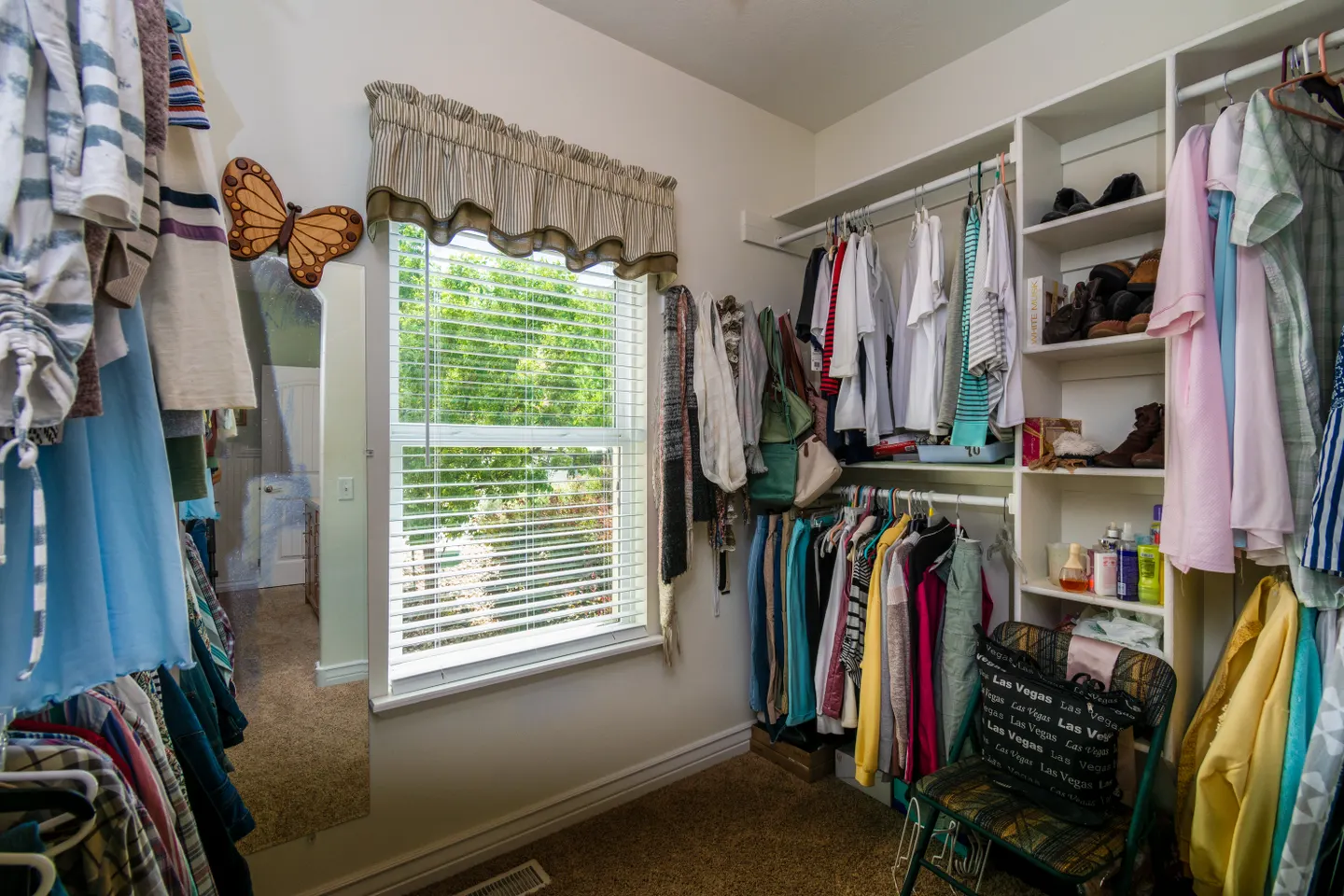
Divide a shared closet around morning routines, garment sizes and reachable storage, then test the arrangement before fitting anything permanent.

Materials
Compare porosity, surface finish, slip suitability and installation costs for actual porcelain and non-porcelain tile products.
Materials
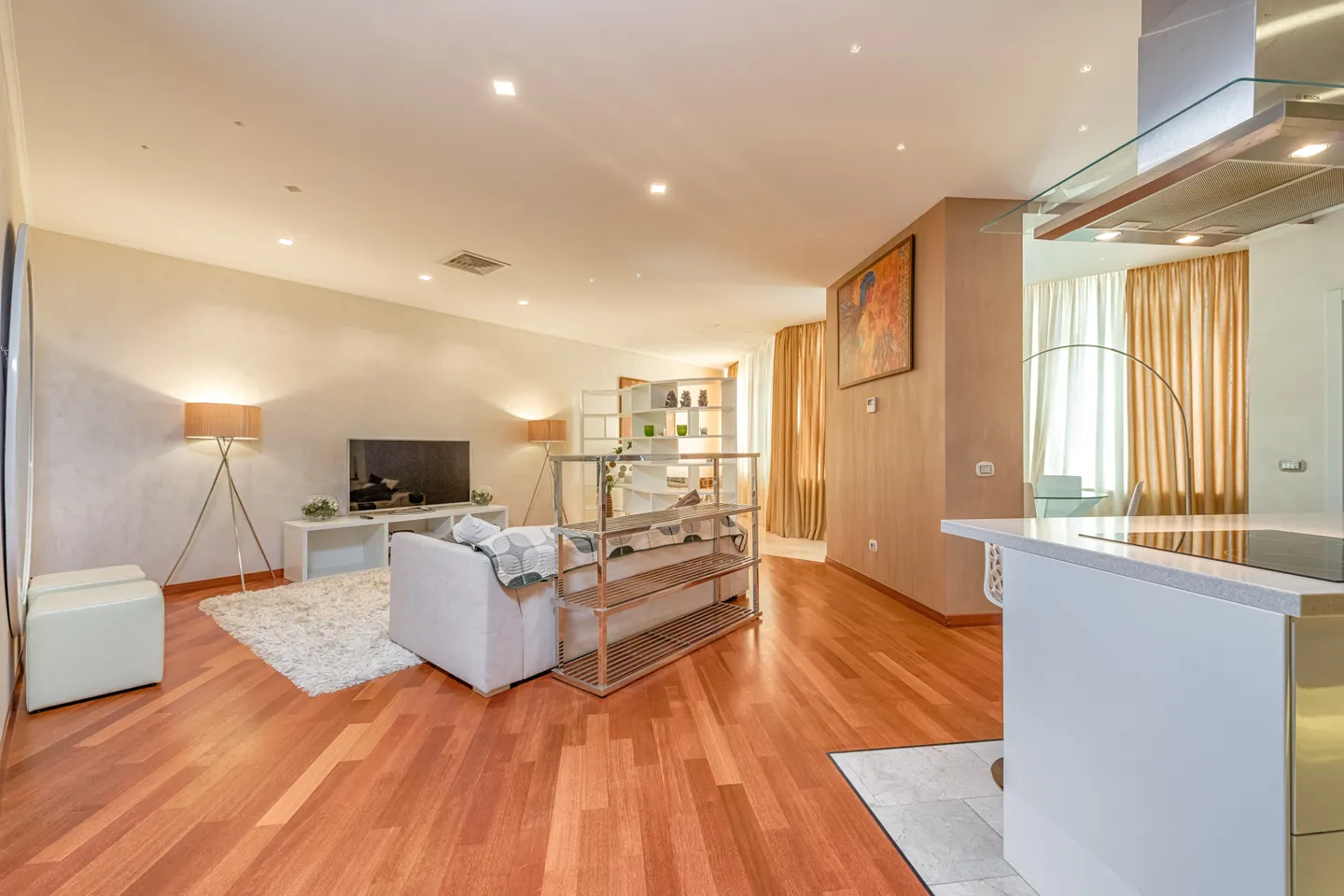
Assess the subfloor, moisture, installation, finish, and repair prospects before comparing solid and engineered wood flooring.
Materials
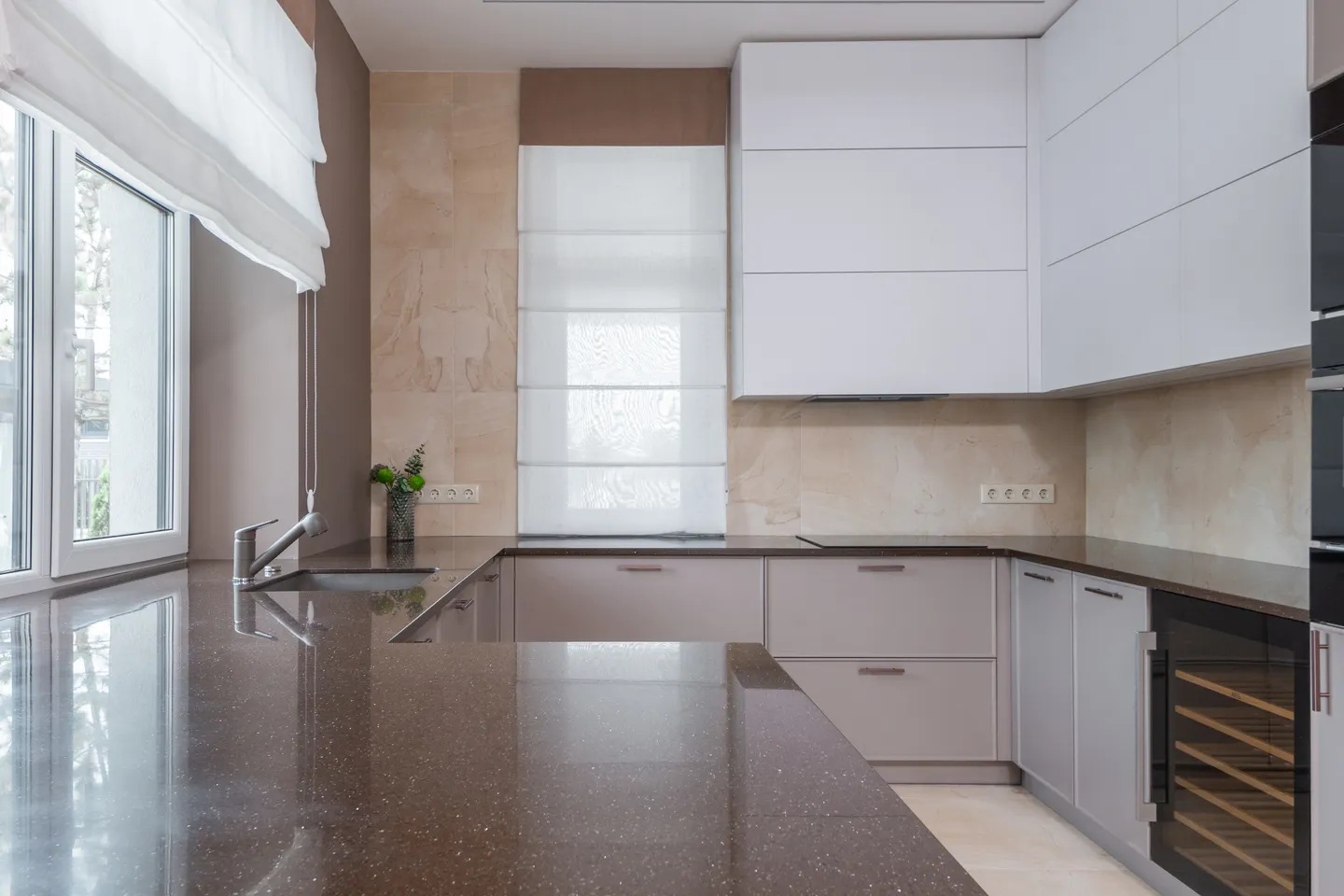
Compare engineered quartz and natural stone by looking at the exact counter product, its care instructions, heat exposure and the marks you may see over time.
Decorating
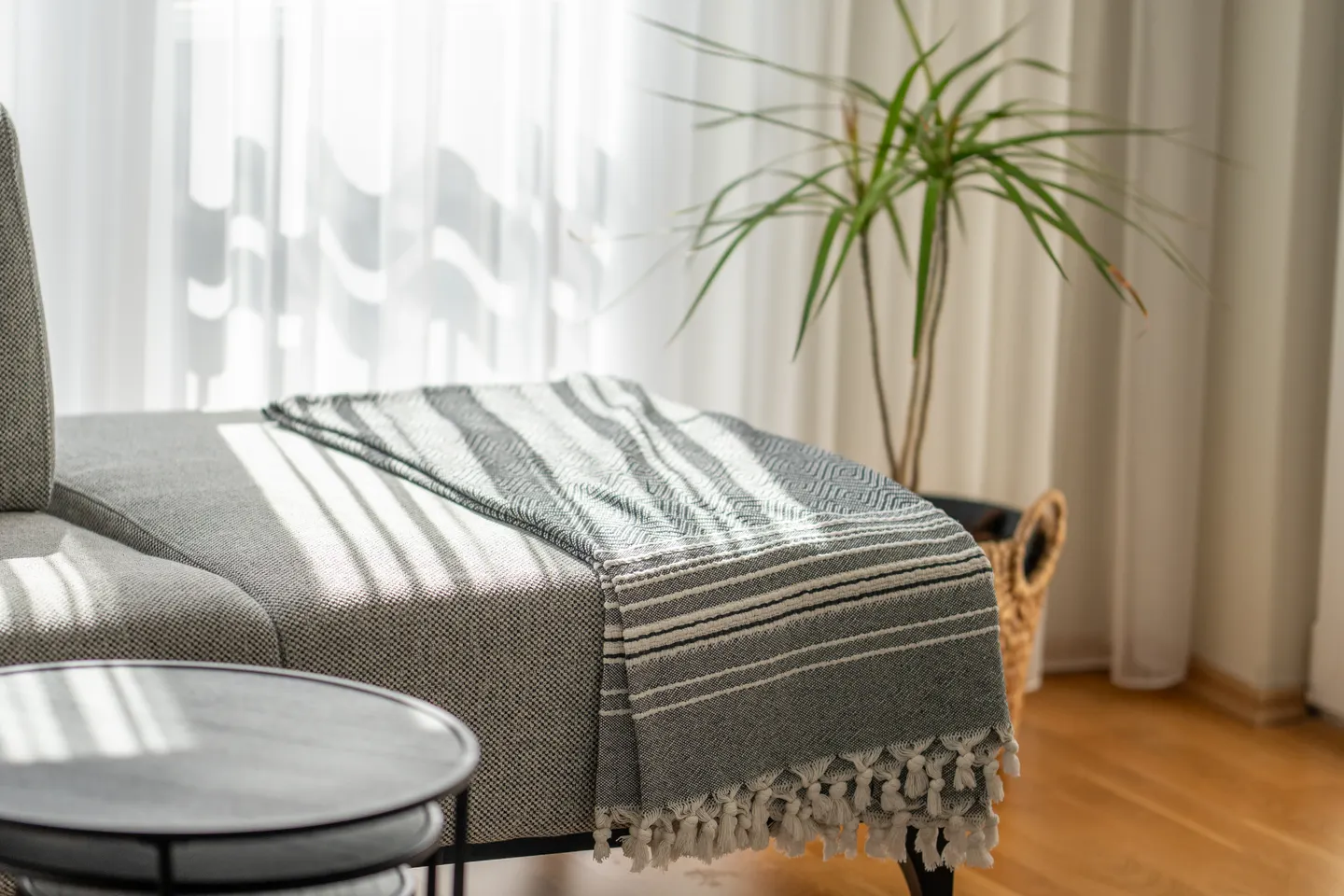
Choose a curtain height, stack and hem that suit the window, room and way the curtains are actually used.
Decorating
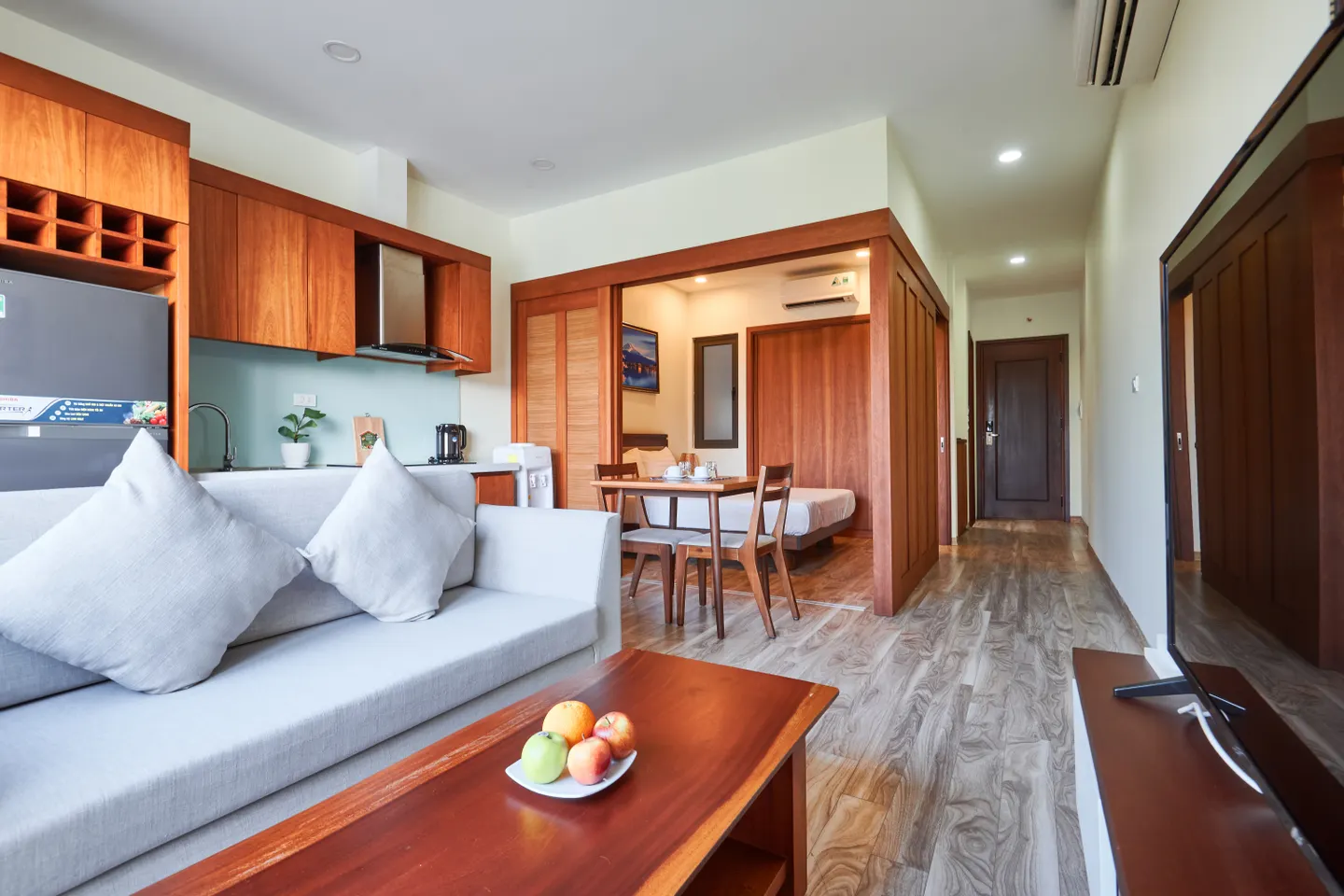
Combine wood furniture, flooring or trim by testing undertone, contrast, grain and distribution in the same light.
Decorating
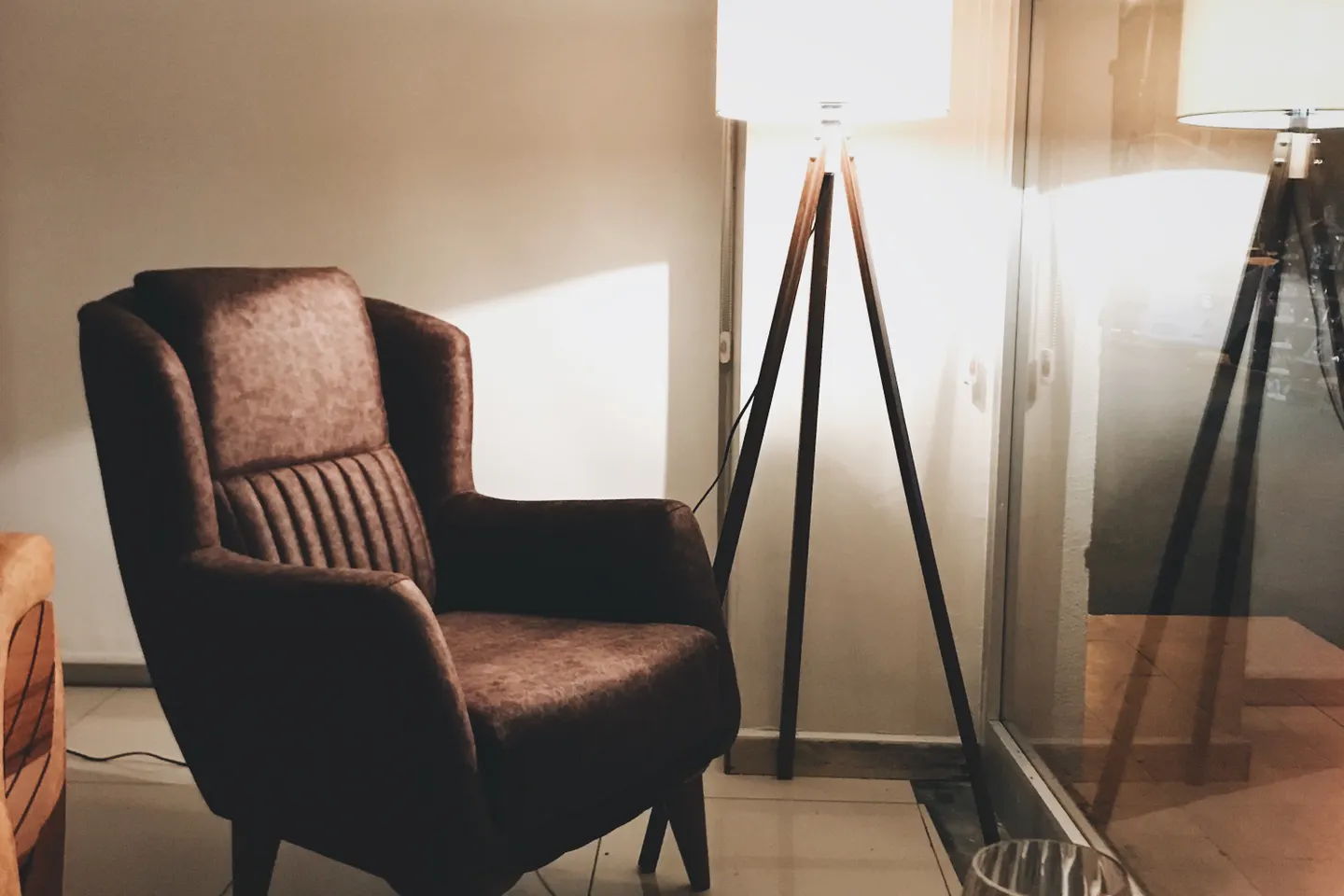
Use ambient, task and accent lighting to support everyday activities without glare, confusing controls or unnecessary fixtures.