Decorating
Put an Old Piece and a New Piece in the Same Room
Mix old and new furnishings by comparing scale, visible wear, repeated materials and useful jobs instead of purchasing to a prescribed ratio.
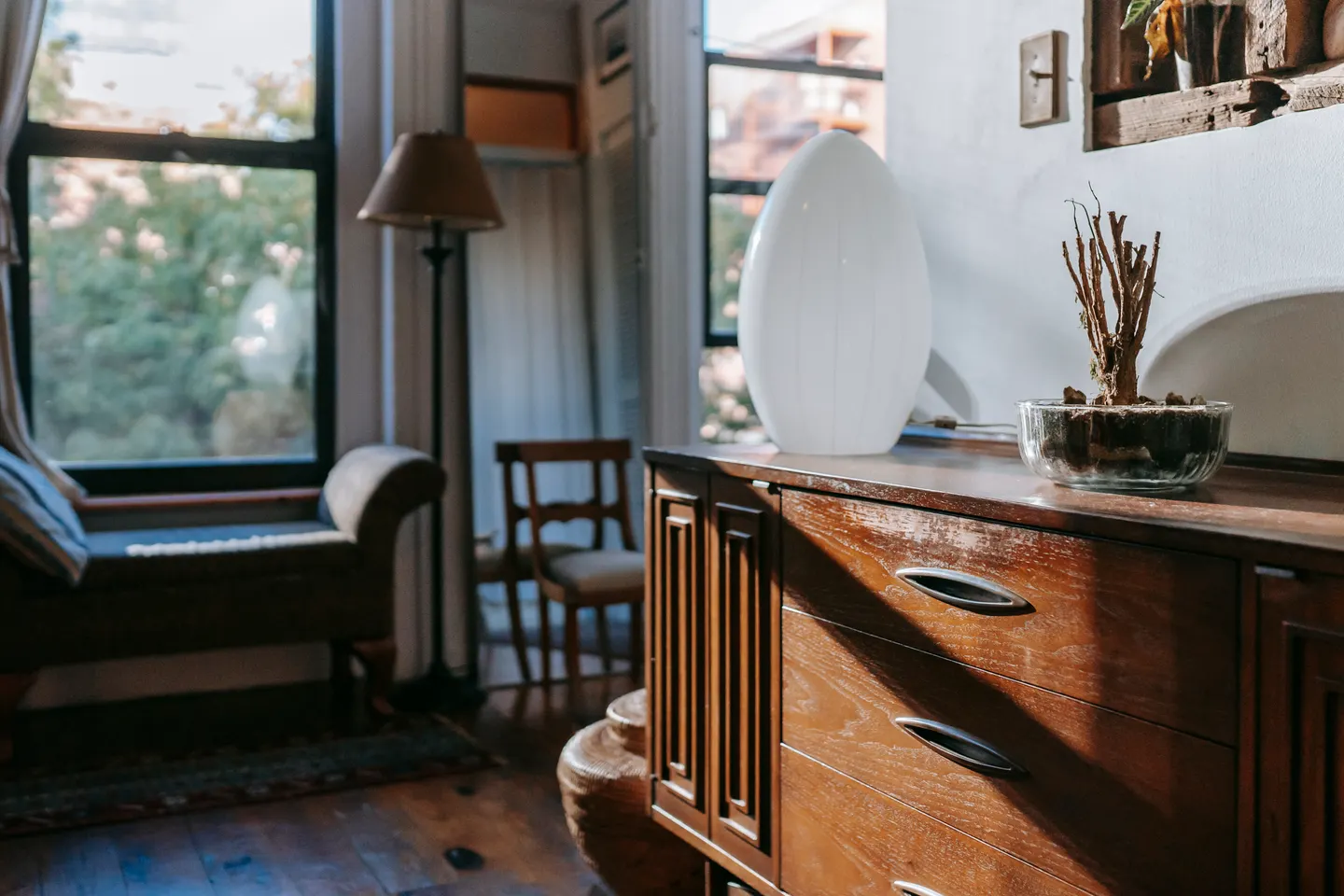
A pair of chairs from different decades can look convincing across a table. Two closely matched chairs bought to be a pair can make the same corner feel heavy. The difference may come down to the height of their seats, the shape of one back or which parts of the floor they let you see. Decide what the old piece contributes before choosing something new to sit beside it.
Take one object at a time. Let it do a useful job in a place with a real reason to stop. Then choose the new purchase to solve a particular gap. It might offer a comfortable seat where an older one looks good but supports a person poorly, or provide a lamp where an inherited piece does its best work under light. The age of an object tells you little about that use on its own.
Start with the part that cannot be ordered twice
Pick an older piece whose presence matters for a reason you can describe. A bench may have a broad worn edge that always caught the light in someone else's home. A painted cabinet might be tall enough to give a plain room some definition. Put it in the likely location before considering an opposite style. Measure the piece and notice the part you appreciate from the actual entrance. A beautifully shaped foot beneath a dining table may never be seen if the chair next to it occupies the same depth.
If several things tell an equally important story, give each its best setting. An inherited lamp and a secondhand chest can belong to entirely different views. One may belong near the room's evening activity, and the other may belong in the hallway. Think of the view and route from each doorway. An object you see a little at a time can hold your attention longer than a group crowded into one small corner.
Assess the condition of anything that will be handled or sat on. Seek appropriate advice about unstable joints, old surface treatments or electrical fittings. An old lamp may need its electrical components professionally assessed before anyone plugs it in. Check the suitability of cleaning and repairs for the exact finish, particularly where age adds value or meaning. Depending on the item and intended use, carrying its appearance into a room may ask for more planning than setting it down and moving on.
Use one shared dimension to bring pieces together
A useful shared dimension could be the height of the seats of two chairs, the broad top lines of side tables or a similar height at the back of a pair of occasional seats. Similar dimensions give the furniture something in common even if one design has complicated curves and the other has none. Try sitting down and putting one foot in the place you would normally use. Visually balanced furniture in a conversation group should also let someone enter the group and see the people there.
In a dining room, measure table height, clear space under the edge and the relationship to adjacent chairs before you match by appearance. One more ornate chair can make sense at the end if its arms fit and a diner can still bring their hands comfortably to the plate. An old table may have a deep apron that changes which chair can be used. Make sure contrasting pieces can work together, including under the table, before committing to their appearance across the room.
A common height can also work in smaller arrangements. Try an old chest and contemporary floor lamp with the light concentrated near the top of the chest. If the fixture is extremely tall, choose a taller vase or artwork nearby only when it helps the actual room and remains appropriately supported. The aim is to give the tall piece somewhere to belong. Two objects of identical finish placed side by side can provide less relationship than two surfaces that support the same activity.
Choose one characteristic to echo
Look at an older item's finish and identify one element you might repeat. That can be a red tone in its timber, a thin curved line or the rough touch of a particular fabric. Find a place to echo that specific feature in another material or outline. One lamp shade with a softly curved profile can respond to a cabinet's curved top without repeating its wood color. A simple ceramic bowl that matches the warm tone of a cushion can make a surface with completely different construction feel at home.
Another technique is to pick tones that are distinct enough to read deliberately. Two almost matching wood surfaces can make differences in age or gloss especially apparent. Bring samples into the intended light and look from far enough away to see both at once. A cool, darker piece and a warmer, lighter floor can coexist comfortably if another object allows the differences to be seen clearly. Keep two heavily patterned fabrics apart until you decide which part of each needs attention.
Leave a clear silhouette around the piece with the most distinctive markings. A plain wall near an ornate lamp makes each contour easier to see. A rug with an uncomplicated field can do the same for curved chair feet. Avoid picking the secondary purchase until you can see the older piece against what is already quiet. If the room has no quiet area, remove something temporarily and use the resulting floor or wall as a working space.
Let different kinds of wear stay visible where they make sense
The experience of regular use helps decide which surfaces can show signs of age. Light scratches on an old chest might suit a room where books and keys are set down daily. A loose edge on a chair that catches sleeves deserves attention. A side table may need a surface or protection fit for drinks before it can stand in the seating group. Distinguish a visual mark you enjoy from a safety or maintenance concern.
Consider the cost of keeping older items serviceable alongside the new purchase. Find out whether connectors, hardware or upholstery are repairable. Work with a suitable specialist where the piece is structurally uncertain, contains unknown coatings or has value beyond its appearance. Investigate the relevant work before buying the companion. If the original upholstery has to be replaced, its new color and firmness may change what the room needs.
New furnishings will change too. Look for repair and maintenance information and see whether the contrast you enjoy will last. A white fabric chair set next to a heavily used old sofa is elegant on the first day. Ask which seat people and pets will use most, and plan the textiles around that experience. Vintage furniture that has already changed color can provide a better basis for picking a lasting shade than a perfect new sample displayed beside it for a moment.
Build out one example from ordinary life
Imagine a modern sofa against a long straight wall and an old walnut sewing table you want to keep. The sewing table has beautiful legs and a top too small for the usual spread of remotes, coasters and books. Place it beside a reading seat at a suitable height, where only a mug and lamp need to fit. Try a different end table beside the sofa with more usable area. Add one fabric to the reading chair with a tone from the wood or a curve that picks up one line of the table.
Now look through the doorway after dark. The arm of the sofa may cut directly across that smaller table. If so, move the chair and old table closer to the window or swap the direction of the chair. If the lamp always stays on while people watch television, check for reflections and angle the lamp away from the screen as needed. These movements will have a much bigger impact than changing the table for a new one that matches the sofa.
In another room, an old wooden desk with a deep top might share one wall with metal shelves. Put task lighting where a person works, and use the shelves for the paper and equipment that would otherwise hide the desk. Match just the warm tone of the desktop with an object at eye level. Keep one shelf open so enough of the wall remains visible. The desk and shelves have clearly defined jobs, and both are understandable in the same view.
Keep a list of what the room still needs
Try the arrangement for a week before purchasing another anchor. Note the ordinary actions that remain difficult in the current arrangement. A light next to the chair might fix reading. A smaller stool might bring in another comfortable seat for visitors. A second ornamental table may simply make the passage narrower. Measure the new object against the problem you have observed, and bring home a sample when its finish is difficult to judge.
Leave room for the objects you will find later. An empty spot near one end of a window may be a useful place to put a plant, or it may turn out to be the space that allows the curtain to open fully. Let it stay under consideration. A well mixed room can have objects of distinctly different ages and still feel as if they come from one household, because each earns its place by making a day there a little easier or more enjoyable.