Furniture
Buy a Modular Sofa for the Layout You Live In
Measure a modular sofa as separate seats as well as a whole, and check connectors, delivery, upholstery and later reconfiguration before buying.
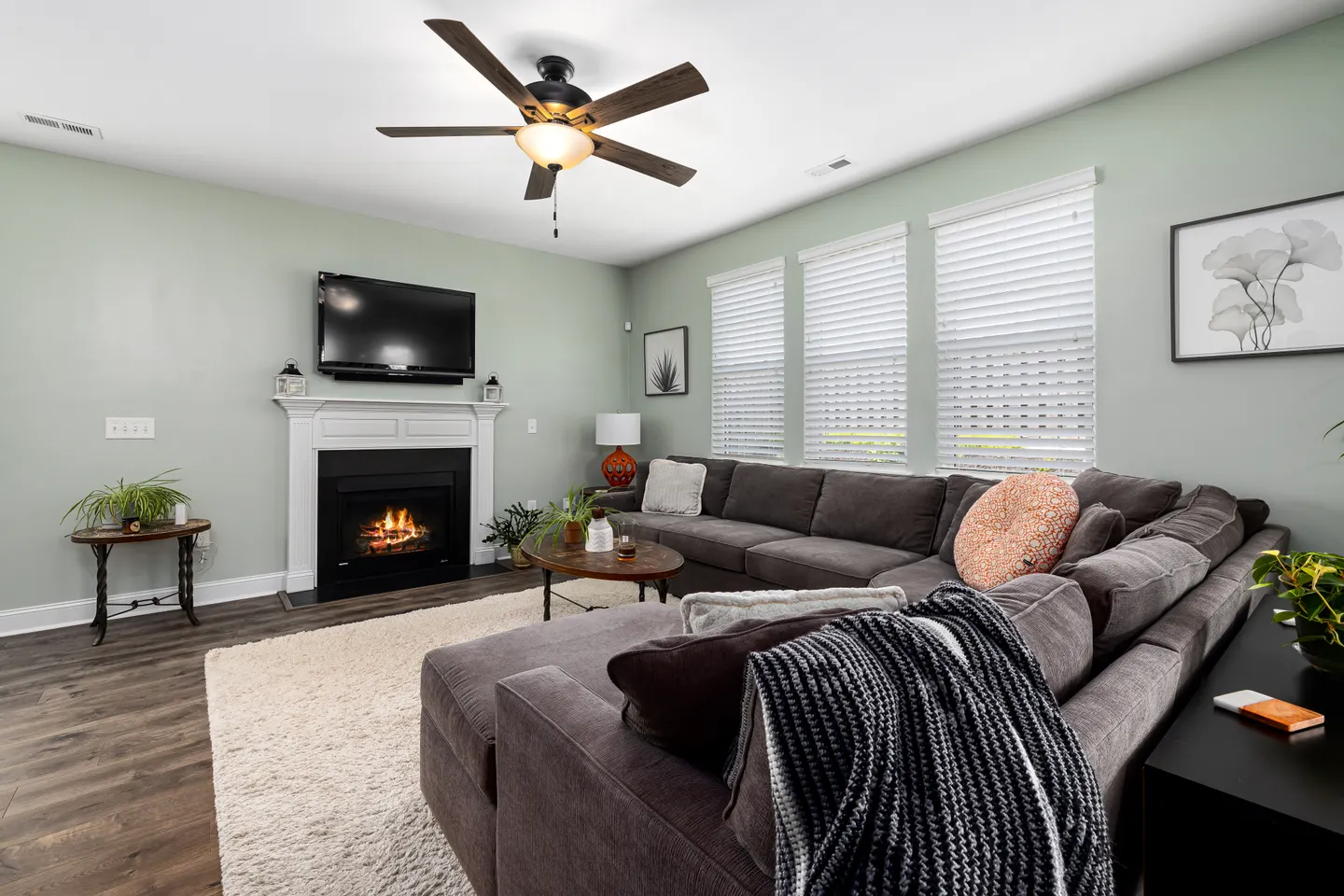
A modular sofa is the one piece of furniture that may arrive as several different answers to the same floor plan. Its usefulness comes from being able to assign parts of it to separate jobs. A shopper who needs a comfortable seat for two every evening and room for visiting family once a month will judge the modules differently from somebody furnishing a long room where every chair must face the television. Decide what the ordinary evening looks like before considering the longest arrangement.
Map the seats people will actually use
Draw the room including doors, windows, radiators, outlets and furniture you plan to keep. Give each possible seat a circle. Write down the view and the nearest place to put a drink. In a long corner arrangement, the center of the bend may be a fine place to lean or an inconvenient place to sit upright. People near the far end may be looking past two heads to see the television. A modular purchase should add useful places, including some with a convenient way to get up and leave the group.
A large chaise has a job when one person stretches out most evenings. It can also make the walk to the patio take a detour. Put boxes where the padded corner will end and walk around them a few times. Deploy the footstool if you might buy one. Make the trip with the lights low. A walkway beside a dark upholstered arm looks wider in a photo than it feels when somebody passes between the arm and a cabinet in socks.
Consider an ordinary conversation as well. Place a chair opposite the arrangement and bring it slightly toward the coffee table. Check whether somebody seated there will spend the evening turning their head toward the end of the sofa. One armless unit with an occasional chair opposite can form a better group in a short, broad room than several units lining the walls. Think about where a visitor would naturally sit without being shown.
Read the module dimensions as installed
A listing may quote the overall width and describe modules separately. Get the width, height and depth of each component on the same plan. Record whether dimensions include the arms and cushions. Some arms occupy a surprising part of a narrow seat. A corner module can sit deeper than the standard seat next to it. Check useful seat depth after the back cushion has settled against the frame. A number from the overall dimensions has little to say about how far your knees extend from the cushion.
Manufacturers describe the left or right component from a stated viewing direction. Confirm which direction the chosen supplier uses. A photo of an arrangement can appear mirrored in another application or a room planner. Write down the module codes and orientation beside a sketch of your actual room. If the chaise and end module can change sides, get instructions for doing it and see whether changing sides involves swapping arms or simply repositioning pieces.
Try likely seat combinations with people who have different builds. Somebody who likes feet flat on the ground may choose a firmer, shallower module. Someone else may spend most evenings seated cross-legged. Test standing up from the deepest seat, where the cushion compresses and there may be no arm beside you. Ask four people to sit down when you test a model advertised as seating four.
Ask what modular means on this particular model
Some units are fully finished on both sides. Others expose connecting hardware or unfinished fabric panels if set apart. See the backs and sides without the showroom cushions carefully arranged. A section that looks good alone can become a useful chair after a later move. A segment intended to remain attached may be an unsuitable substitute. Decide whether flexibility means creating a different connected shape or using each component independently.
Look at the connection mechanism. Ask the salesperson to show how the pieces are secured and released using the actual instructions. Check that the latches engage with light handling and that every unit has its own suitable support in an approved arrangement. For frequent rearranging, ask whether two people are required and where they are supposed to hold the piece. A sofa that can theoretically split may still be hard to move if each base is bulky and the carpet grips its feet.
Seams between seats are another detail worth living with for five minutes. Slide from one unit toward another. Some cushion edges will naturally leave a channel that catches crumbs or feels firm where a person rolls over. Adjacent cushion heights may become uneven if different units use different filling or have seen different amounts of showroom use. Think about whether an altogether different arrangement might offer a continuous shared seat where your household wants one.
Take upholstery home and put it to work
Request large swatches in the contenders. See them against the floor by the window and by the light you use in the evening. Rub a spare sample as the supplier allows and observe whether the grain direction changes its color. On long seats, different modules can catch the light at different angles. You may enjoy that variation. Strong contrast between adjoining pieces is worth seeing before purchase when the fabric takes up much of the room.
Check the exact care instructions. A zip at the back of a cushion may allow the factory to install a cover without authorizing machine washing. A fabric class described as performance can still come with restrictions on cleaners or heat. Ask whether the seat and back covers can be replaced independently, and roughly how long the seller intends to stock them. If the sofa will be shared with work clothes, craft materials or pets, tell the supplier what kinds of wear need to be addressed.
Compare how a dark and a mid-tone fabric show fibers you see most often at home. Look at a seam where the fabric bends. An especially nubby texture might be appealing when brushed one way and collect visible crumbs around the button seams of the same cushion. Choose what you would still enjoy seeing at the end of an ordinary week, once the room has been used with the windows open and nobody has had time to tidy.
Account for uneven wear across the set
Ask which seats the supplier expects to soften over time and which filling arrangements require regular turning or redistribution. A fixed chaise cushion will receive different wear than a loose rectangular cushion that can change places with its neighbor. Decide which styles of care you are willing and able to perform. If a heavily used module someday needs a replacement cushion, a small swatch retained with the receipt will help establish whether the original color still suits the fabric that has spent time near the window.
Ask how the pieces are labeled beneath their seats. A discreet model tag helps one person identify the corner frame when most of the units look the same from above. This matters when moving house or ordering a replacement cover for just one module in the suite.
Get the pieces through the door
Measure the delivery route for the largest packed piece and for awkward rigid components. Take door handles, turn angles, railing projections, elevator interiors and ceiling height into account. A path that fits the overall depth may fail on the diagonal at a narrow stair landing. Ask the seller how the relevant packages are handled, whether legs can be installed afterward and what happens if a package cannot reach the room. Confirm any lift booking in a shared building.
Work out where the boxes can go while people assemble the sofa. Those packages are often large enough to block the route for a second piece. Move side tables and fragile frames first. If the seller offers assembly, confirm what is covered, including how the connectors and feet are installed and who removes the packaging. Have someone available to check the delivery against the order and record visible damage or faults through the retailer’s procedure.
Price the second arrangement before buying the first
Draw one likely configuration for today and one that you might use after moving or changing how the room works. Price the arms, connectors and modules needed by each. An extra end on the other side or an ottoman can be useful. An appealing additional module that was never produced in your fabric may be much harder to source a few years later. Ask how the maker identifies compatible versions if its products change.
Think about whether the household really needs the spare possibility. A compact setup with one corner seat and a usable ottoman can be enough now. In another room, buying two finished ends today may let the sofa form a small bench for conversation and a chair at the window later. Notice whether the second drawing improves a genuine circulation problem or just demonstrates how many pieces can fit on the paper.
Finally, lay the approved footprint out at home with your current table and lamps. Sit at the points where your eyes will actually be and check the view of a window, a doorway or the people you like to talk with. Keep the drawing dated alongside the order. A clear rehearsal gives you the furniture measurements that matter after everyone comes home.