Materials
What Heat and Spills Reveal About Quartz and Natural Stone
Compare engineered quartz and natural stone by looking at the exact counter product, its care instructions, heat exposure and the marks you may see over time.
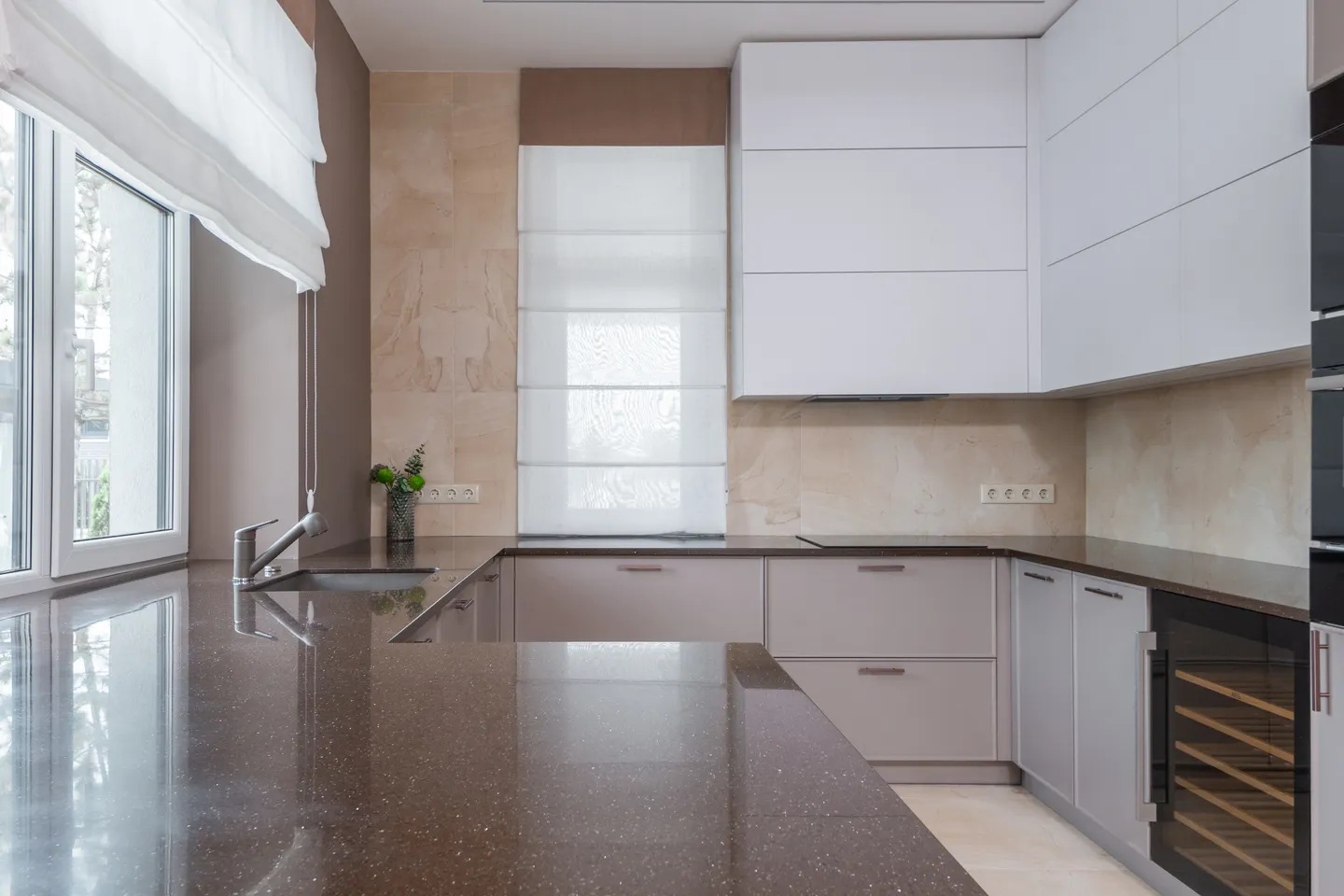
On one counter, the mark left after making lemonade is a change in the shine. On another, the pale patch is a dry film from water and soap. From across the kitchen the two can look the same. To choose a worktop you will enjoy, find out what its likely marks mean and who can help if one appears. A comparison between quartz and natural stone becomes useful once each label describes an actual material and finish.
Write down the product’s full name and material
Engineered quartz is a manufactured category, usually incorporating mineral particles and binders whose formulation depends on the maker and product. Quartzite is a naturally occurring stone. Granite, marble and other rocks fall within the broader description of natural stone. Ask the fabricator to write down which material and finish you are being quoted. A merchandising name for a pattern, a slab series and a description of a mineral can look deceptively similar in a price list.
With manufactured surfaces, get the current use and care guide for the proposed product and finish. One company can sell at least two surfaces that behave differently. For natural material, ask whether the supplier has identified the stone and can offer care guidance for that particular slab and finish. Ask what cleaning and sealing requirements apply to the exact surface you are buying. A friend's counter can be an example of how different materials look after ten years.
Request a sample with a representative area of finish, light enough to handle safely. Compare it with a photograph of the full slab. Patterns that look even on a small square may have long open areas and strong concentrations of detail. If there are seams, ask the shop to show the probable pattern direction in the plan. Material choice, slab yield and seam placement can affect one another before any question of maintenance arises.
Heat can act in more than one way
Think through a week of cooking and the types of heat that reach different parts of the counter. A baking tray comes out of the oven with weights on it. An electric cooker may release warmth at the same spot for several hours. A pan from the stove may be moved to a cold part of the counter so someone can get at the burner. The products involved, the duration and the sudden temperature change all matter. A counter labeled heat resistant can still have care requirements.
One example is Cosentino’s Silestone maintenance guide, which recommends trivets and cautions about sudden temperature changes. Use the guidance for your actual product and the equipment placed on it. Ask the installer whether barbecues, cooktops, hot cookware or countertop appliances have specific requirements. These questions can affect cabinet dimensions and equipment locations, especially when a cooking device sits near an edge or cutout.
Natural stone used around cooking surfaces merits the same careful check for vulnerability to marks or damage from hot objects. Thickness, existing features of the slab, geometry and installation may affect what happens. Plan a convenient heat-safe landing arrangement from the beginning. Test it by turning from the oven with a cold tray the same size as the one you use. If the landing point is out of reach, you are unlikely to use it well on a busy evening.
Tell a stain apart from an etch or a deposit
A stain affects the appearance when a material absorbs or retains a substance. Etching changes the surface finish by reaction. A deposit sits on the surface. When evaluating samples, tilt them toward a light and see whether the appearance changes with the angle. A dull ring that becomes noticeable only in reflection may point to a surface change. It takes a suitable assessment to identify cause reliably. If you have a mark on a finished worktop, photograph it and ask the supplier before trying a series of products.
The Natural Stone Institute care overview explains why material classification matters. Calcareous stones such as many marbles can react with acids. On a polished material, the affected spot may appear dull. On a honed surface, reflected light may show the difference less plainly. Sealing can help resist some staining on appropriate stone but cannot make a reactive surface insensitive to acid. Ask the supplier what can be repaired, how it would be repaired and what an ordinary repair can cost.
Low-porosity engineered products often offer good resistance to household stains under the maker's specified conditions. Some cleaners, residues and prolonged exposures can still affect a finish. Get recommendations for the colors and textures under consideration and ask what you should do for a normal oily spill. A universal cleaner chosen from experience with another material may be unnecessary or unsuitable. Keep the approved product instructions near the ordinary cleaning supplies.
See both samples with your tap and your light
Set pieces beside the sink design and touch each one with clean dry fingers. Look at the marks from the same angle where you stand preparing food. If the supplier permits it, ask for a spare sample and assess it using the recommended method and approved products. Check the appearance after cleaning and drying. An inexpensive sample can help you decide how a surface looks after real handling compared with the untouched showroom slab.
At a sink near a bright window, check what happens to reflected light on a honed and a polished surface. Water spots that remain on the low edge may be much more visible on one sample. In a dim room, the tone of the surface can change dramatically after cabinet lighting is switched on. Compare a light section of a patterned slab with a dark section using the same bulb. The finish and pattern contribute differently to the way ordinary wear reads from the doorway.
Ask which surface layer is delivered. A sealing product may alter the appearance of a natural material or require renewal according to its instructions. Polished edges can appear different from a honed main surface if that difference is part of the specification. Discuss whether a sample carries the same treatment as the surface you will receive. Keep one identifiable spare piece if the supplier offers it, especially if you expect to make a second phase of cabinets nearby.
Include fabrication and future service in the price
Send the shop a comparison drawing with dimensions, cutouts and the position of planned equipment. Request prices that include templating, edges, transport and installation. Ask where braces, joints and any supports need to sit and how those positions affect the cupboards below. The same area of surface can require a different number of slabs depending on the pattern and the shape of the room. An island with a bare end may prefer a different seam strategy from an L-shaped counter with a corner sink.
Use a qualified fabricator and keep cutting or grinding out of improvised household work. The OSHA crystalline silica overview links to information on worker exposure during countertop production and installation. Ask the installer how the proposed material will be handled safely and how applicable rules will be followed. If a later appliance needs a larger hole, plan to have the change assessed in the same way. Include the fabrication details and care information in the renovation file, together with the record of the product actually installed.
Have each bidder explain how the installation is documented. A swatch taped to an order can identify a color without showing the finished sheen or intended sealer. Record the slab reference or batch name, the finish and the shop's approved care document. It is also worth locating a supplier which will answer questions after fitting. Ask who will deal with a joint that changes or a damaged edge, and put that advice in the same place as your invoice.
Pick the counter for the mess you will have
A kitchen that sees daily cooking with tomatoes, citrus and heavy roasting dishes may warrant a sample comparison focused on contact time, deposits and the ease of putting hot things down. If a polished marble counter appeals, see an older one that has been used regularly. Ask whether you like the appearance once it develops the kinds of changes the owner should expect. A more consistent newly installed surface may be a better match for a household that prefers evidence of each meal to disappear when the table is cleared.
For an occasional wet bar, verify that the surface choices make sense near wine, water and frequent glasses. The exact edge and sink detail may have as much consequence as the product family. A climate-controlled apartment and an outdoor kitchen also present different conditions. Confirm location suitability, especially for direct sun, temperature swings and surfaces close to cooking equipment. A model recommended for inside by a manufacturer should be kept in its approved applications.
Put the two contenders on the plan with a list of what happens on them most often. Write down the actual cleaning recommendation, the protection you will use with a hot tray and the supplier you would call if something chips. One option may ask for a habit you are happy to adopt. The other may just need a well-placed trivet and the right cleaning cloth. Choosing between those habits is a much better way to select a worktop than asking which family of material wins every possible test.