Small Spaces
Make a Shared Closet Work at Two Speeds
Divide a shared closet around morning routines, garment sizes and reachable storage, then test the arrangement before fitting anything permanent.
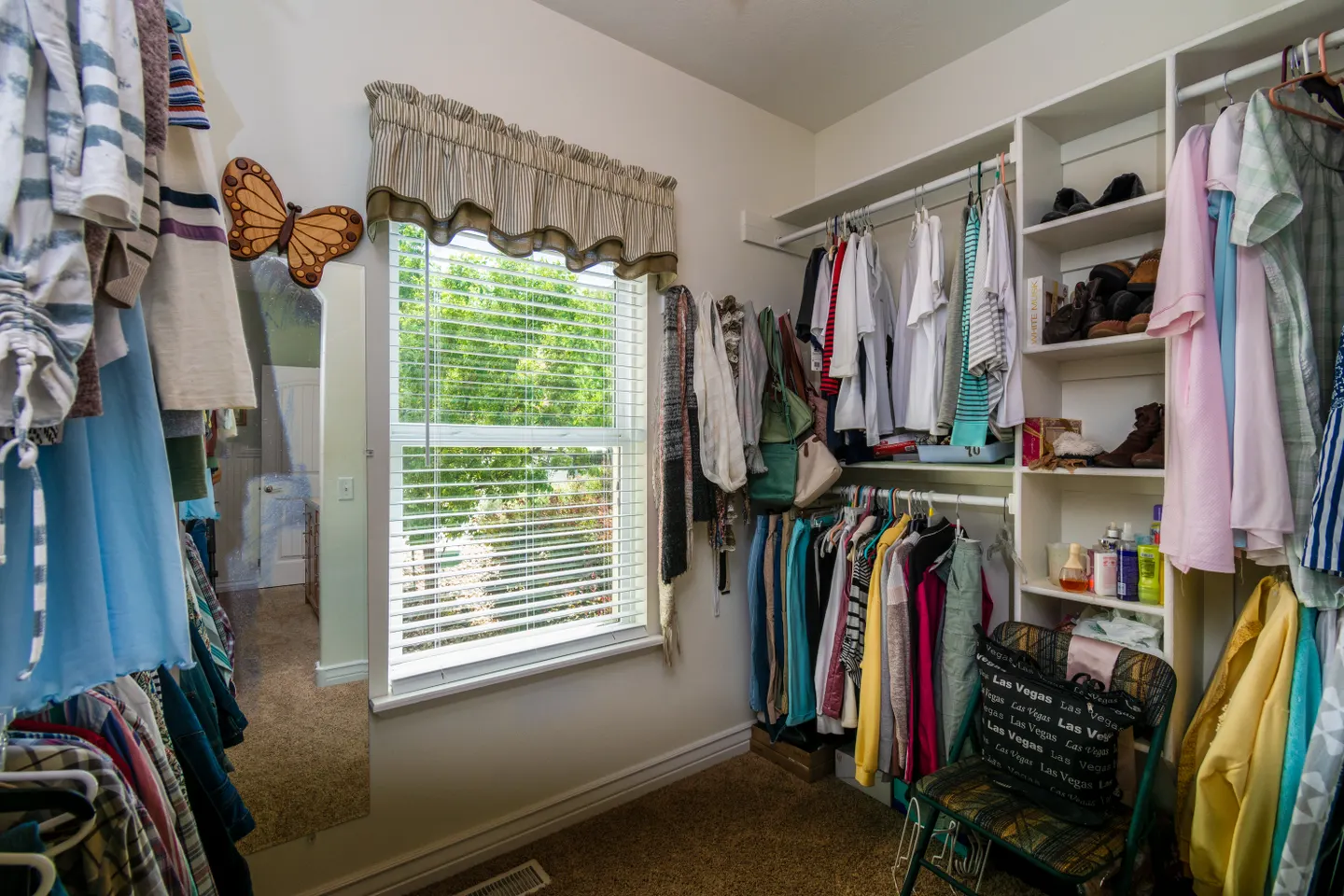
One person is looking for a shirt while the other is putting away a coat. They have the same amount of hanging space in a well-divided closet, but they need to stand in the same spot to use it. The fight is about the opening. It looks like a disagreement about shelves because the opening is the only part of the closet everyone takes for granted.
A shared closet needs a division of things and a division of time. Start with an inventory of what needs to live there, then notice how each person reaches it. With one long bar and shelves bought without much thought, there may be enough volume already. You can change which objects reach the door first and which make the longest journey to be put away.
Do a week of counting before giving either person a half
Look at the week's weather and make a list of the clothes each person actually reaches for. Note what comes out early, when the room is still dark, and what goes back before the next use. One person may rotate two pairs of work shoes and keep most sweaters folded. The second may hang several long garments and mostly wear one set of shoes from the closet. A useful division gives each person's regular garments the type and height of storage they need.
Bring representative clothes to a well-lit area. Measure the longest hanging item from the rail to its hem, using the hanger intended for that piece. Measure a stack of folded things at the size that stays upright when you remove one. Look for categories that need to keep their shape, and for ordinary items easy to fold or hang. This is a better basis for ordering shelves than counting how many items are currently wedged into each compartment.
Identify the things that can leave the closet altogether. Bedding, luggage and the iron may suit easily accessible storage elsewhere, depending on who uses them and how often. Give the objects both people use often a clearly named place. A bag under one person's jackets becomes shared in name only if the other has to move the jackets every Saturday morning.
Arrange the first five minutes of each morning
Write out a likely routine for both users. One might collect clothes, leave the room to dress and return for a bag. The other might pick pieces along the rail after a shower. Give the thing the early riser needs first a place reachable from the door, with a light that can be used without disturbing someone asleep. A person who gets dressed in another room may benefit from a separate ledge for an already selected outfit. Think about the transition into the closet and out of it, including shoes, glasses and the position of lamps.
In a wardrobe with sliding doors, open the largest available section. If both users need the rail at once, the doors may prevent that even with two clearly marked zones. Put frequently used clothing for each person close to the part of the opening they can reach most easily. Move lesser-used things behind panels or into high areas according to safe access. If the configuration cannot serve two people simultaneously, a tray or shelf outside it can prepare for the second user's routine.
A wardrobe with hinged doors may have the opposite problem. Two people open their doors and meet in the same space between them. Check actual door travel and where feet stand. A sliding stack of drawers may catch at the handle or hinge. Put less frequently used drawers behind the door that must open farther and leave the shared open space for one person at a time. Each door should stay useful without occupying the passage to the room.
Set the best reachable zone by body and habit
The height that makes a shelf almost automatic to use varies by person. A tall person may happily see across a higher surface. A shorter person may need both hands even to take down a light hatbox. Move common items into a range where their regular user can see and reach them comfortably. Avoid putting heavy containers above a person who has to reach high. Step equipment, if any, needs its own safe use and storage arrangements.
Consider sorting by the way clothes behave when taken out. Knitwear that slumps can be easier to retrieve from a shallow shelf with a divider than a deep tall one. Small pieces such as socks often need little height but good access. Keep a few empty hangers together at the end of a rail, within reach of where clothes are brought back. Each item can find its way home without requiring someone to straighten the whole wardrobe first.
Where some suits or dresses are long, a single long-hang compartment may work for both people. Measure the useful width and place a physical divider or different hangers between the groups. Use shorter double-hang sections only where the garments actually fit. On a temporary trial, hang the two longest short items above one another and see whether the lower hangers move freely. A rail crowded by sleeves and hems may be uncomfortable even though the bare dimensions technically work.
Store the awkward items with a route in mind
Long boots, handbags, helmets, laundry containers and suitcases often cause more trouble than a row of shirts. Work out whether boots can stand upright without wet soles touching clean objects. A small tray near the exit may make more sense than special vertical storage. A hamper should be openable in place and liftable when full. Use a cardboard model or the actual basket to test turns at the closet and bedroom doors.
Consider how seasonal changes will happen. Store a group together using labels that make sense to both users, in breathable or protective containers as appropriate for the items. Try lifting each box before choosing an upper shelf. Clothes for an infrequent but important occasion should remain findable. If a garment comes out creased every time, it is worth changing its placement before adding more containers elsewhere.
Keep cleaning and air circulation within the practical plan. Shoes need to dry appropriately. Wait for damp outerwear to dry before crowding it back into an enclosed space. Check drawers and panels near any sign of moisture and address underlying room issues with suitable professional or property advice before hiding them with more storage. A shelf stands a better chance of staying organized if the surfaces can be reached for ordinary cleaning.
Trial the arrangement without commissioning the interior
Make labels on pieces of paper and stick them temporarily over the intended sections. Use the existing shelves and rails to stand in as closely as possible for the new plan. Leave one compartment partly empty as working space. Return clothes after an ordinary wash load, with both people in the house. Write down anything that ends up on the bedroom chair. There is often a specific reason such as a drawer blocked by the door, or a group of folded items whose ideal stack size has been exceeded.
If a storage insert is still needed, read how it fits and attaches. Keep measurements of the finished opening, the structural conditions and the door hardware together. A system that can adjust shelves later matters when a child's height changes or a household acquires different work clothes. Ask about anchoring, load limits and compatibility before buying. When renting, discuss the proposal and installation with the owner or agent and use furniture only as its manufacturer intends.
For a costly installation, draw a second version with fewer fittings. See what each extra drawer or extension would do tomorrow morning. One drawer near a well-placed light might help every day. A cumbersome pull-out that gives a narrow view of a group used twice a year may serve the household poorly. Request a drawer sample from the planner and try it with an object the size and weight of what it will contain.
If the closet needs a new light, begin by seeing whether the room's normal light reaches the floor once a person stands in the opening. For a freestanding or suitable battery-powered product, check how it attaches, how it is switched on and how its batteries can be reached. A fixture that turns on from one user’s approach can make access easier at different heights. Ensure changes to fixed electrical fittings are handled appropriately. Put the light where the owner can see clothing colors and drawer contents without standing between the light and those things.
Give the closet a ten-minute reset
Make one common area for things that are between uses, such as a coat ready for repair or clothes waiting for a seasonal swap. Establish when this area gets cleared. In a couple's closet, a quick monthly check is probably easier to share than a vague instruction that it should always look like the showroom. Put the returns in their own locations before adding newly washed clothes.
Use the free shelf or rail space to deal with short-term changes without pushing another person's things out. Leave enough working space for both people's regular routines. If both can complete an ordinary routine, put clothes away and see clearly where to leave special items, the space is divided for how both people use it. An empty slot in the right place can be the closet's most used fitting.